







Why the numbers on your oil bottle matter
Every engine is engineered around a specific oil thickness. Pump gaps, bearing clearances and piston ring tension all assume the oil will flow at a certain rate when cold and hold a certain film when hot. Whether your mechanic calls it engine oil or “mobil”, the grade printed on the label is the engine designer’s instruction, not a marketing number.
Get it right and the oil reaches every part within seconds of a cold start, then holds a strong protective film through a 45°C summer afternoon in city traffic. Get it wrong and you pay slowly: harder starts, higher fuel bills, faster wear, and in bikes, sometimes a slipping clutch.
What does the “W” in 10W-30 mean?
The W stands for winter, not weight. Viscosity grades are defined by the SAE J300 standard, which tests how an oil behaves when it is cold. A lower number before the W means the oil can still be pumped around the engine at a lower temperature. That matters because most engine wear happens in the first seconds after start-up, before oil reaches the top of the engine.
| Winter grade | Pumping test temperature (SAE J300) | What it means on the road |
|---|---|---|
| 0W | −40°C | Fastest cold flow; common in modern cars |
| 5W | −35°C | Very quick start-up lubrication |
| 10W | −30°C | Quick cold flow; common in commuter bikes and scooters |
| 15W | −25°C | Balanced; common in diesel and heavy-duty oils |
| 20W | −20°C | Thicker at start-up; common in Indian 4-stroke bike oils |
India rarely sees −20°C, so even a 20W oil flows well on most mornings. The winter number matters most in hill stations and North Indian winters, and for engines that are started many times a day.
What does the second number (30, 40, 50) mean?
The number after the dash is the oil’s thickness at 100°C, roughly the temperature of oil inside a warm engine. It is measured in centistokes (cSt). A higher number means a thicker, stronger oil film between hot, loaded metal parts.
| Hot grade | Viscosity at 100°C (SAE J300) | Typical character |
|---|---|---|
| 30 | 9.3 to below 12.5 cSt | Lighter film, lower friction, better fuel economy |
| 40 | 12.5 to below 16.3 cSt | The Indian all-rounder for 4-stroke bikes |
| 50 | 16.3 to below 21.9 cSt | Thick film for hot-running, high-load or older engines |
So a 10W-30 flows like a light oil when cold and protects like a 30 grade when hot. A 20W-40 is a little thicker at both ends. Neither is “better”: the right one is the one your engine was designed for.
10W-30 vs 20W-40 vs 20W-50: which one is right for you?
Use this as a starting point, then confirm against your owner’s manual. When the manual lists more than one grade, pick based on your climate and how hard the engine works.
| Grade | Best suited to | MAXX-LUBE options |
|---|---|---|
| 10W-30 | Commuter bikes and scooters whose manual specifies 10W-30; city riding; cooler mornings; better fuel efficiency | ULTRA SPRINT 10W-30, SPRINT-4T 10W-30, SUPER PREMIUM 4T 10W-30 |
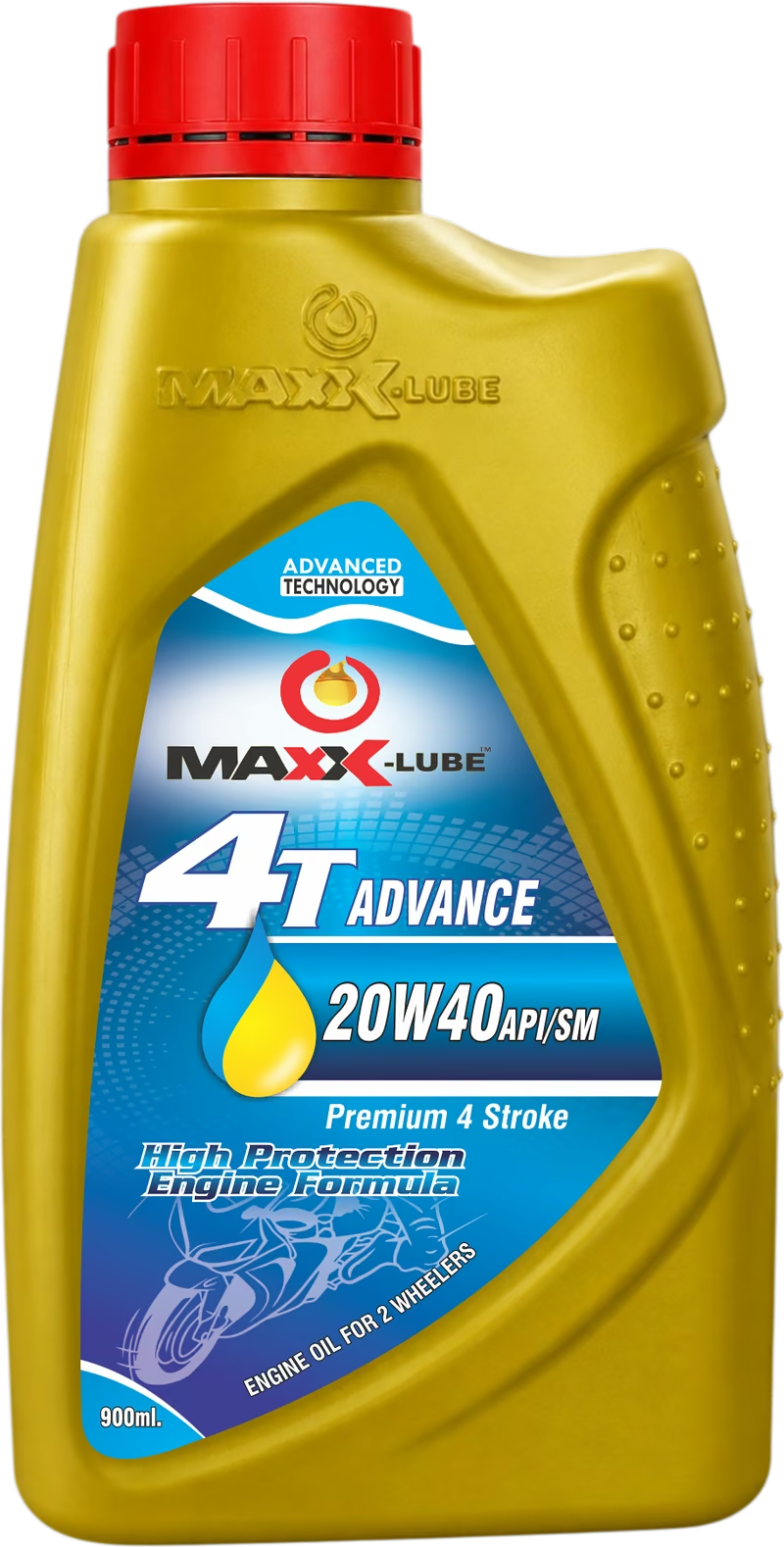
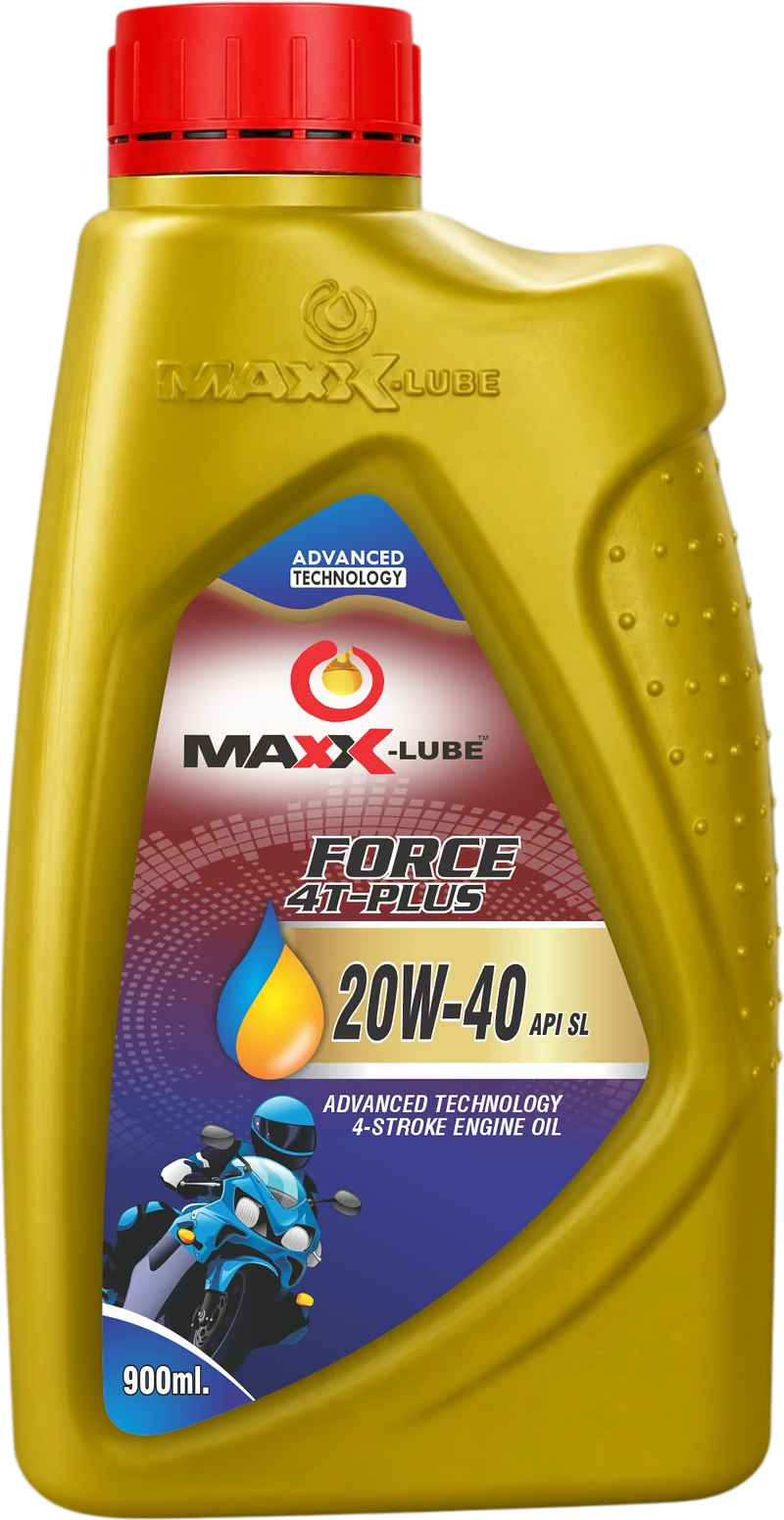
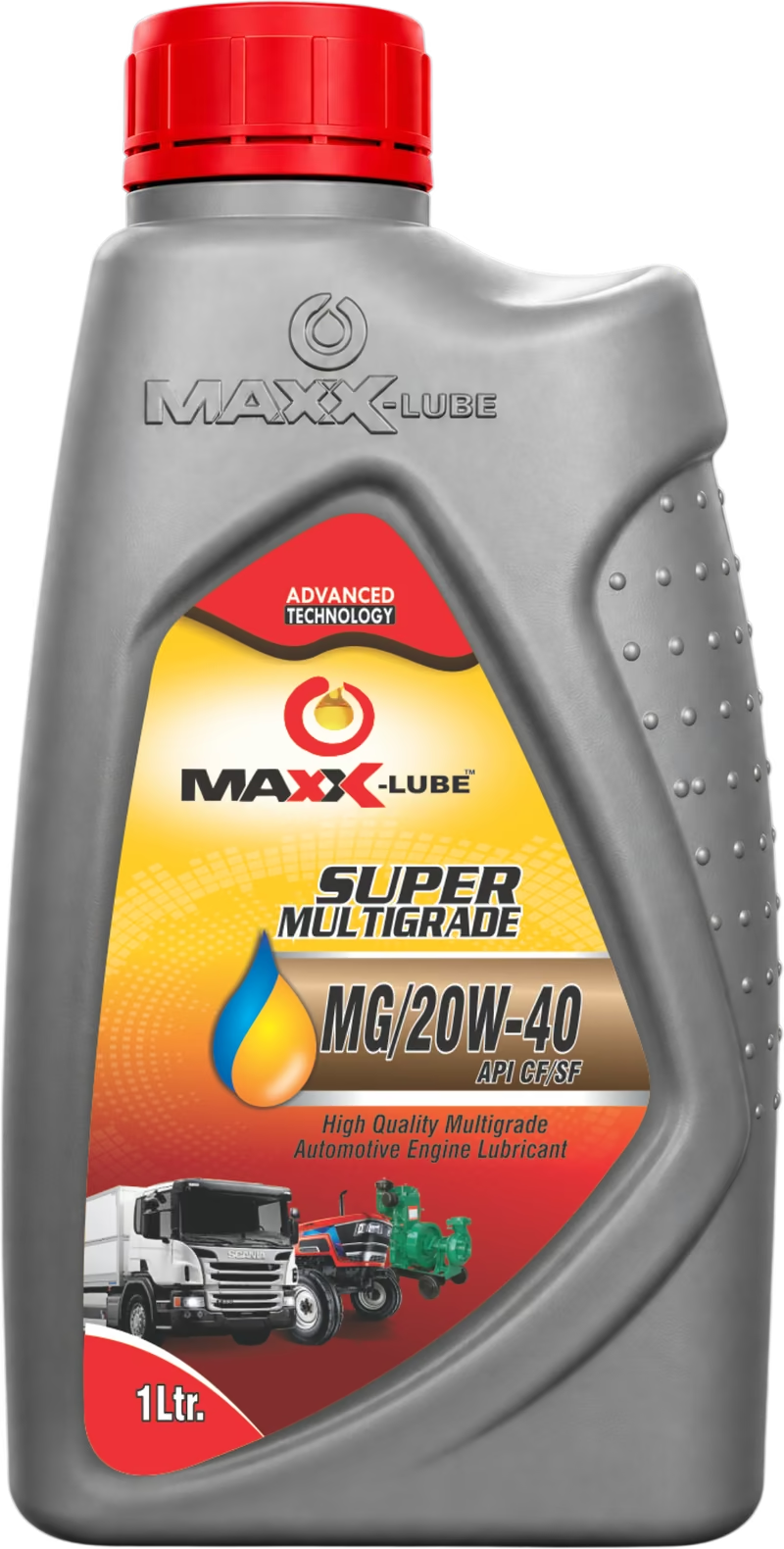
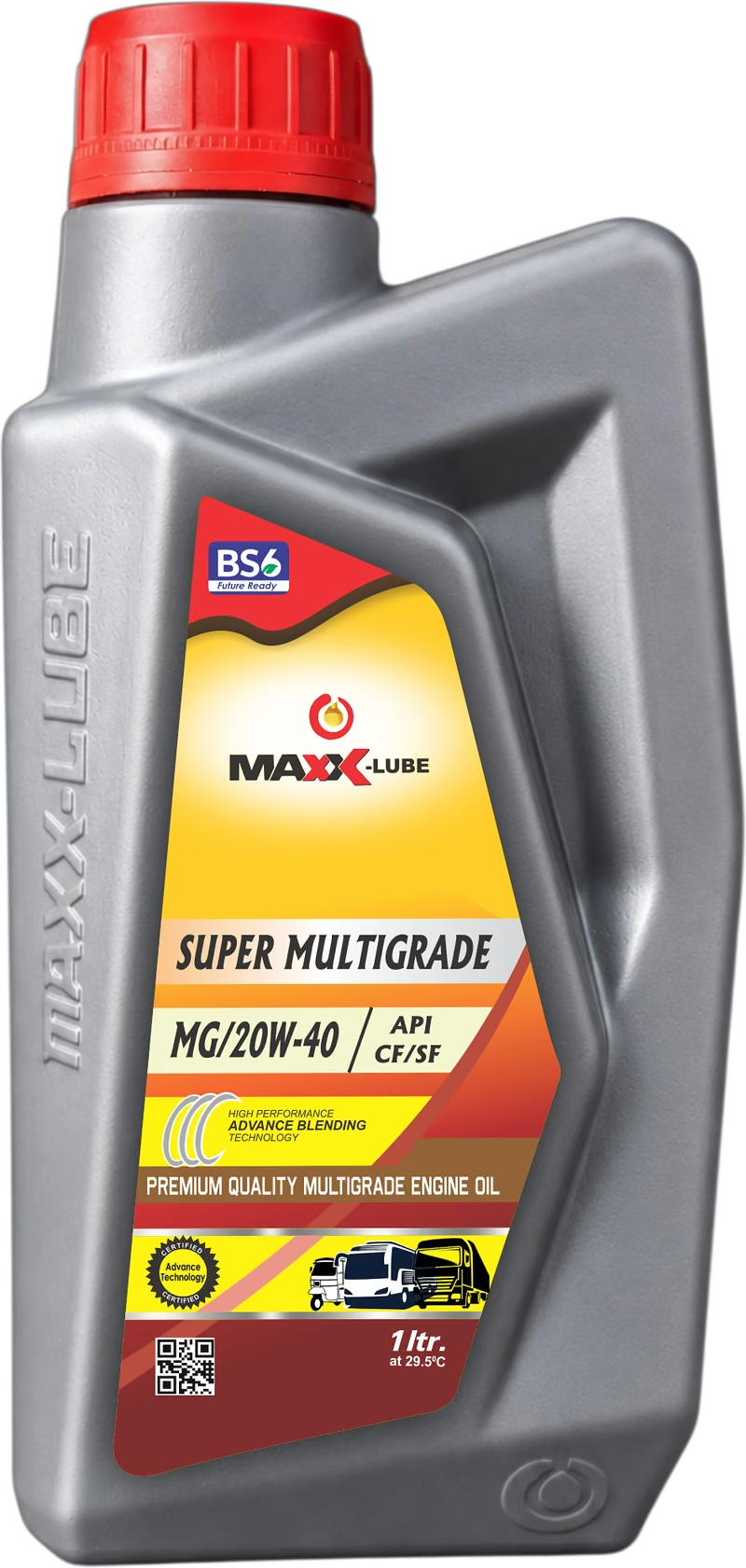
| 20W-40 | Most Indian 4-stroke motorcycles; hot climates; daily riding with pillion or luggage | 4T ADVANCE 20W-40, POWER SPEED+ 20W-40, EXTREAM-4T 20W-40 |
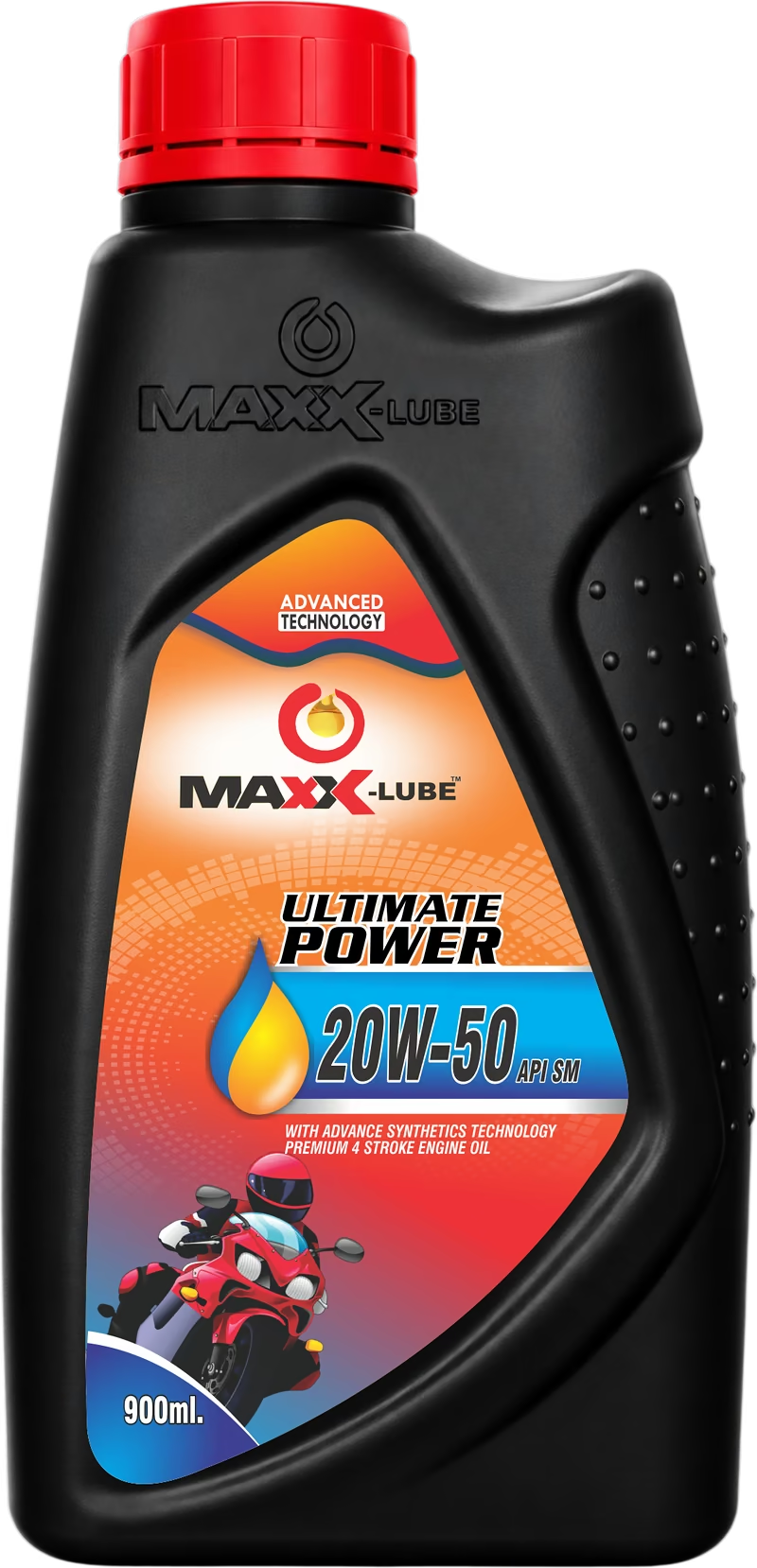
| 20W-50 | Hot-running and high-capacity engines, CNG and LPG three-wheelers, where the manual allows a 50 grade | ULTIMATE POWER 20W-50, CNG SPECIAL 20W-50 |
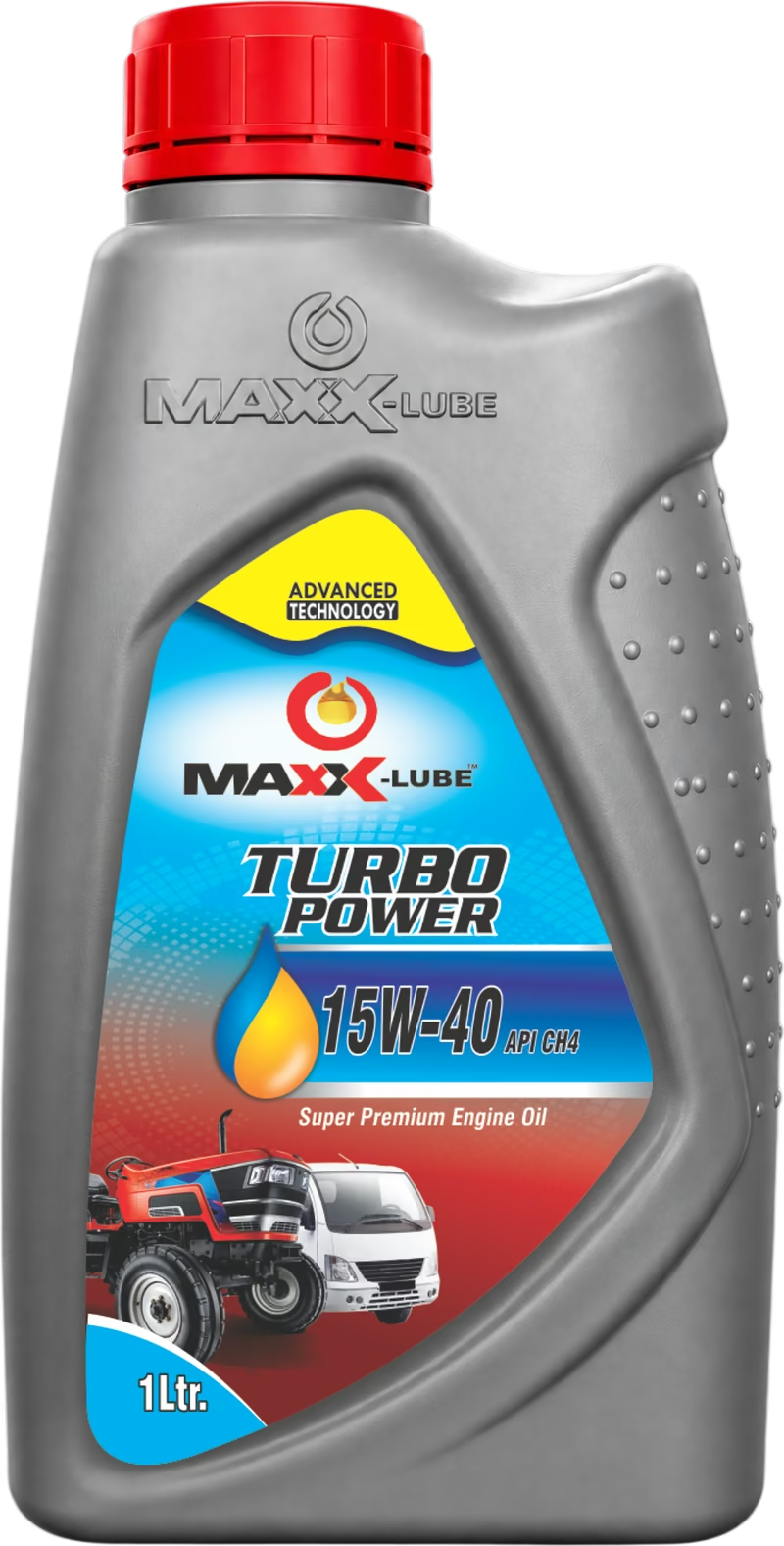
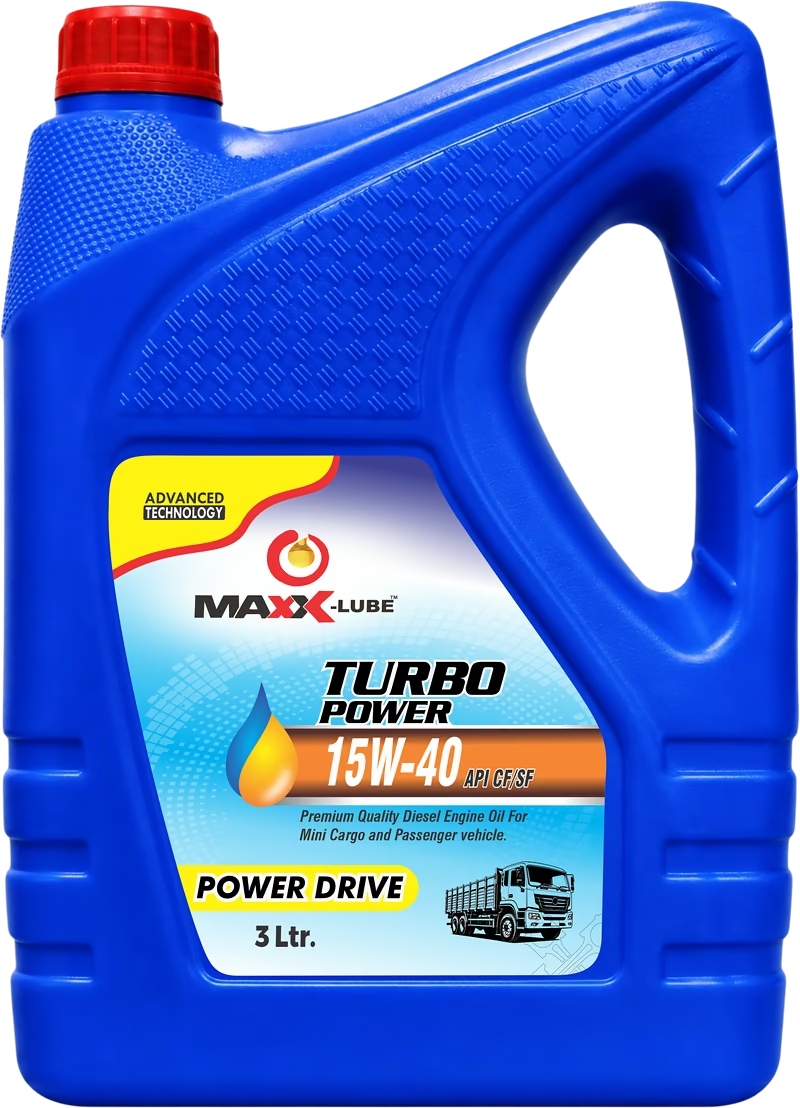
| 15W-40 | Diesel trucks, buses, tractors and pick-ups | TURBO POWER 15W-40 |
| 5W-30 | Modern petrol and diesel cars with tight tolerances | ULTRA POWER 5W-30 |
How Indian riding conditions change the choice
Indian roads put more stress on engine oil than most test cycles assume. Oil manufacturers call this “severe service”. These are the conditions that should push you towards the stronger end of your manual’s recommendation, and towards timely oil changes:
- Extreme heat: summer afternoons above 45°C in Rajasthan, Gujarat, Delhi and Vidarbha keep air-cooled bike engines very hot. A grade with a strong hot number (40 or 50, where allowed) holds its film better.
- Stop-go city traffic: long idling in Mumbai, Bengaluru, Pune or Kolkata traffic means high engine temperature with little cooling airflow.
- Dust and unpaved roads: fine dust enters through the air filter and turns oil abrasive faster.
- Monsoon and short trips: engines that never fully warm up collect moisture in the oil.
- Hills and winters: in Shimla, Darjeeling or a Punjab January, a lower winter number (10W rather than 20W) gets oil moving faster at the first start.
- Heavy loads: pillion riders, luggage and delivery work raise engine load and oil temperature.
Grade is only half the story: API and JASO ratings
Two oils can both say 20W-40 and still be very different in quality. The viscosity grade tells you thickness; the performance rating tells you how well the oil protects.
- API service category (petrol engines): letters run SJ, SL, SM, SN, SP. Each later letter passed tougher tests for deposits, wear and oxidation. If your manual says “API SL or higher”, an API SM or SN oil meets it.
- API diesel categories: CF-4, CH-4, CI-4 and CK-4 apply to diesel engines in trucks, tractors and SUVs.
- JASO MA2 (motorcycles): most motorcycles share one oil between the engine, gearbox and wet clutch. JASO MA2 oils have the right friction for the clutch to grip without slipping.
- JASO MB (some scooters): for gearless scooters without a wet clutch, when the manual specifies it.
Never put car oil in a motorcycle with a wet clutch
Many modern car oils contain friction modifiers that save fuel in car engines. In a motorcycle, the same oil also bathes the clutch plates, and those friction modifiers can make the clutch slip. Always use an oil made for 4-stroke motorcycles, ideally JASO MA2, in a geared bike.
Engine oil grade myths that cost riders money
- Myth: “Thicker oil is always better.” Fact: oil that is too thick flows slowly at start-up, wastes fuel and can run hotter. Use the grade your engine was designed for.
- Myth: “An old bike needs a thicker oil.” Fact: age alone does not change engine design. Consider a higher grade only when the manual allows it and a mechanic confirms a real reason, such as a worn engine that burns oil.
- Myth: “All 20W-40 oils are the same.” Fact: base oil quality, additive packages and API and JASO performance levels vary widely between oils of the same grade.
- Myth: “Thicker oil fixes engine noise.” Fact: it may hide a noise for a while, but the cause (low oil, a worn part, a delayed oil change) is still there.
A 5-step checklist to choose the right engine oil
- Read the owner’s manual: note the viscosity grade(s) and the minimum API and JASO ratings.
- Match your climate: in very hot regions, pick the higher hot grade the manual allows. In cold regions, pick the lower winter grade.
- Match your usage: heavy traffic, loads, dust and delivery work are severe service. Choose stronger oil and change it on time.
- Buy a trusted brand in a sealed pack: check the grade, API rating and batch details on the label.
- Ask an expert when unsure: your mechanic, or the MAXX-LUBE Product Finder, can match an oil to your vehicle in a minute.
Engine oils engineered for Indian roads
MAXX-LUBE is an engine oil manufacturer based in Jodhpur, Rajasthan, which is one of the hottest places in the country to ride. Our 4-stroke range covers every popular grade, from 10W-30 commuter oils to 20W-50 oils for hot-running engines, with semi-synthetic and fully synthetic options for riders who want extra protection.
Not sure which grade your vehicle needs? Browse engine oils for bikes, cars and SUVs or heavy-duty diesel engines, or tell our team your vehicle model and we will recommend the right oil.