






The oil that works under the most pressure in your vehicle
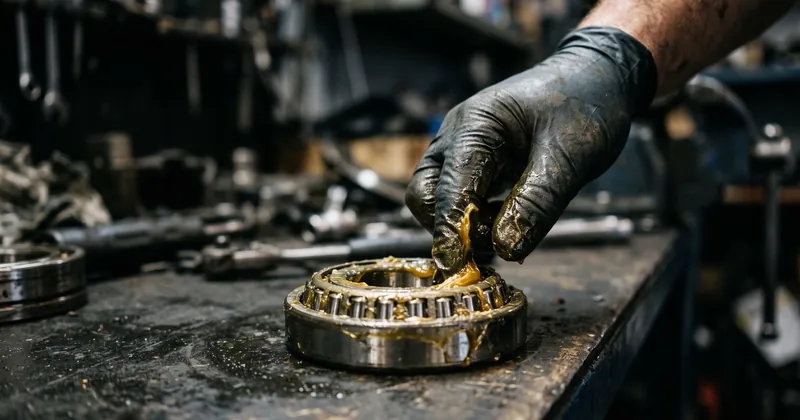
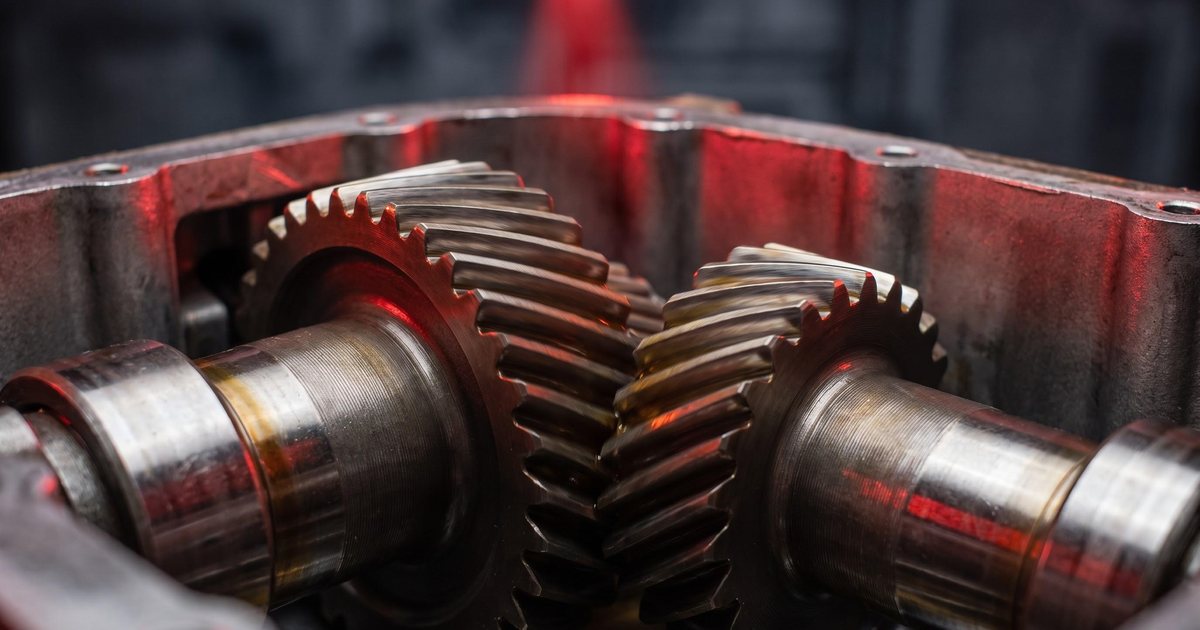
Engine oil gets all the attention, but inside your gearbox and differential the load is even harsher. Gear teeth transmit the full torque of the engine through contact patches only a few millimetres wide, sliding and rolling against each other thousands of times a minute.
Without the right gear oil, that contact turns into scuffing, pitting and a gearbox that whines, grinds and eventually fails. A differential or gearbox rebuild on a pick-up, truck or tractor is a costly repair. The right gear oil, changed on time, is a very cheap way to avoid it.
What does gear oil do?
- Prevents metal-to-metal contact: it keeps a film between gear teeth even under shock loads.
- Extreme-pressure (EP) protection: when the film is squeezed thin, EP additives react with hot metal surfaces to form a protective layer that stops scuffing and welding.
- Carries away heat: gear meshing and churning generate heat, especially in hot climates and on long climbs.
- Protects bearings and synchronisers: it lubricates shaft bearings and helps synchromesh gearboxes shift smoothly.
- Fights rust and corrosion: it protects against moisture and water that enter through breathers and seals.
Can engine oil be used instead of gear oil?
Only where the manufacturer designed it that way. Most motorcycles share one oil between the engine and gearbox, so they use engine oil. Cars, pick-ups, trucks, tractors and differentials with separate gear housings need the specific gear oil or transmission fluid listed in the manual.
Putting engine oil into a differential that needs GL-5 gear oil leaves the gears without enough extreme-pressure protection. Putting gear oil into an engine is just as wrong. Always check the manual or the label near the fill plug.
Gear oil grades: what 80W-90 and 85W-140 mean
Gear oils use the SAE J306 grading system. As with engine oil, the W number describes low-temperature behaviour and the second number describes thickness at 100°C. The scale is different from engine oil, which is why gear oil numbers look so much higher.
| Grade | Thickness when hot | Typical use |
|---|---|---|
| 80W-90 | Medium (SAE 90: 13.5 to below 18.5 cSt at 100°C) | Manual gearboxes, differentials and axles of cars, pick-ups and light trucks |
| 85W-140 | Heavy (SAE 140: 24.0 to below 32.5 cSt at 100°C) | Heavily loaded differentials, trucks and hot-climate, high-load duty |
| EP-90 | Single-grade SAE 90 with EP additives | Tractors, older commercial gearboxes, steering boxes and general gear cases |
| EP-140 | Single-grade SAE 140 with EP additives | Heavy-duty axles and slow, high-torque gear sets |
Thickness alone does not make a better gear oil. A thicker grade than specified can make shifting stiff in cold weather and add drag. Stay with the grade in the manual, and choose the heavier option only when the manual allows it for high loads or high temperatures.
API GL-4 vs GL-5: the difference that matters most
The API “GL” rating tells you how much extreme-pressure protection a gear oil provides. The two you will see on almost every Indian gear oil label are GL-4 and GL-5.
| API GL-4 | API GL-5 | |
|---|---|---|
| EP additive level | Moderate (commonly about half of GL-5) | High |
| Designed for | Manual transmissions and spiral-bevel axles under moderate load | Hypoid differentials and axles under high speed, shock load and torque |
| Brass / bronze synchronisers | Generally friendly | Can be too aggressive for some older synchromesh gearboxes |
| Use it when | The manual says GL-4 | The manual says GL-5, especially for the rear axle or differential |
The golden rule: GL-5 is required where the manual asks for GL-5. Using GL-4 there under-protects hypoid gears. Using GL-5 in a gearbox built for GL-4 is only safe if the manufacturer approves it or the oil is specifically formulated to be yellow-metal compatible.
What does EP-90 mean?
“EP-90” is how Indian workshops and parts shops usually describe an SAE 90 gear oil with extreme-pressure additives. It is a single-grade oil (not multigrade like 80W-90), popular in tractors, commercial vehicles and older gearboxes across India’s warm climate, where winter flow matters less.
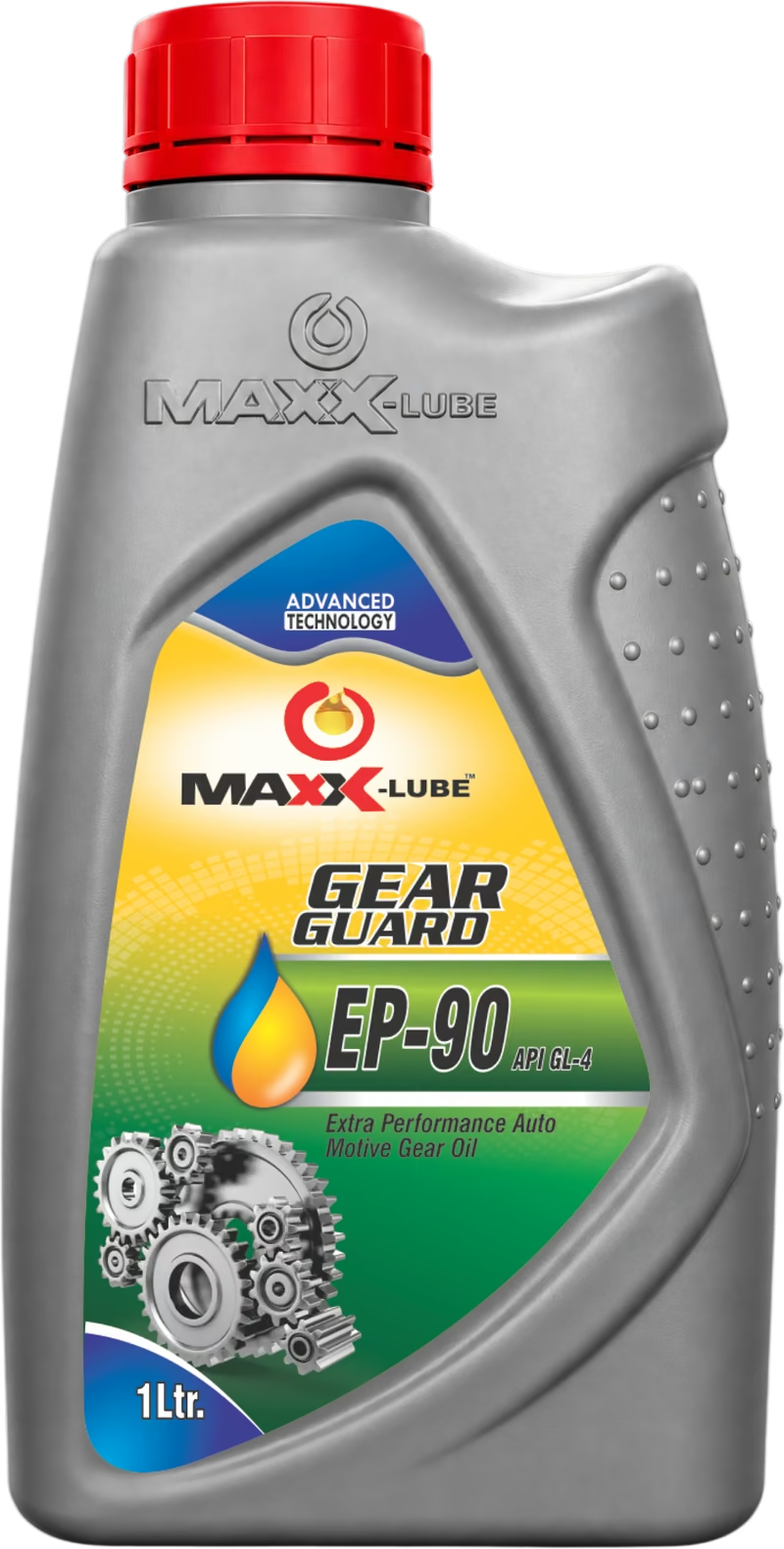
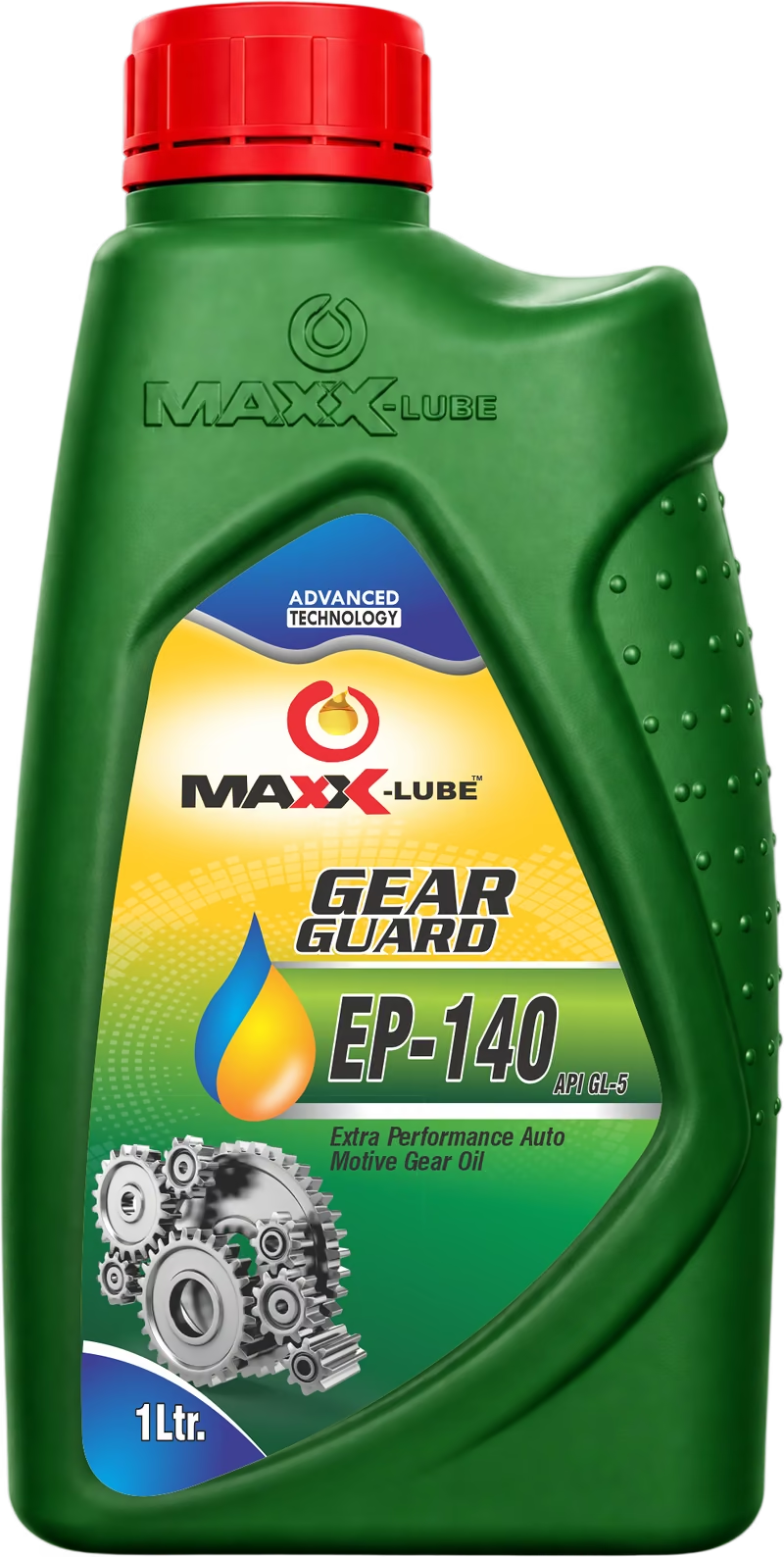
The EP label alone does not tell you the API level, so always read the GL rating on the pack. MAXX-LUBE GEAR GUARD EP-90, for example, is rated API GL-4 and is yellow-metal compatible, while GEAR GUARD EP-140 is rated API GL-5.
Choosing gear oil for Indian vehicles
- Cars and SUVs with manual gearboxes: use the exact grade and API level in the manual. Many modern transmissions specify their own fluids, so do not guess.
- Pick-ups, light trucks and rear-wheel-drive differentials: usually API GL-5, commonly 80W-90, or 85W-140 for heavy loads where the manual allows.
- Trucks and buses: GL-5 in axles and the grade specified for the gearbox. Loaded highway runs in summer justify the heavier grade when permitted.
- Tractors: check carefully. Some tractors use a dedicated gear oil such as EP-90, while many modern tractors use one shared transmission-hydraulic oil for the gearbox, hydraulics and wet brakes. These are not interchangeable.
- Industrial enclosed gearboxes: these use ISO VG industrial gear oils, specified by the gearbox maker.
Warning signs your gear oil needs attention
| What you notice | What it can mean |
|---|---|
| Whining or howling that changes with speed | Low oil level, worn-out oil or worn gear and bearing surfaces |
| Hard or notchy gear shifts | Wrong or degraded oil, cold thick oil, or synchroniser wear |
| Oil spots under the gearbox or axle | Leaking seals, often leading to low oil level |
| Milky or cloudy gear oil | Water entry after river crossings, flooded roads or pressure washing |
| Burnt smell or very dark, thick oil | Overheating from overload or overdue change |
| Metal flakes on the drain plug magnet | Active wear: have the gearbox inspected |
Driven through a flooded road during the monsoon, or waded a river on a farm or site vehicle? Check the gear oil soon after. Water-contaminated gear oil loses its protection quickly.
How often should gear oil be changed?
Gear oil lasts much longer than engine oil, but it is not “lifetime” fill in severe Indian use. Follow the manual’s interval, and change it sooner after water entry, heavy towing or overloading, long hot hill climbs, or any repair that opens the gearbox. Check the level at every service: a small leak can empty a differential slowly without anyone noticing.
MAXX-LUBE gear oils
Two ranges cover most automotive, commercial and farm needs, in packs from 1 litre to 210 litres:
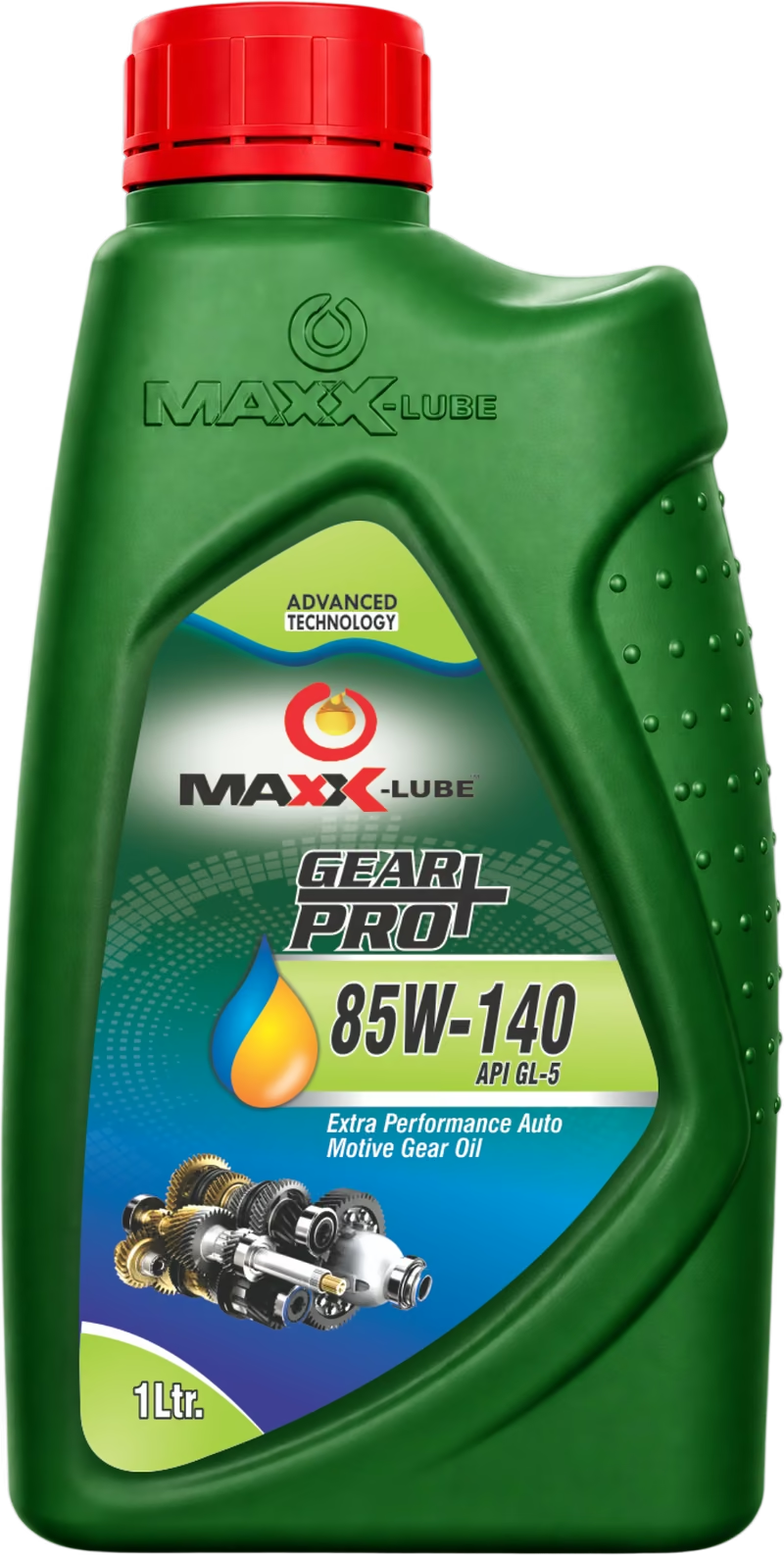
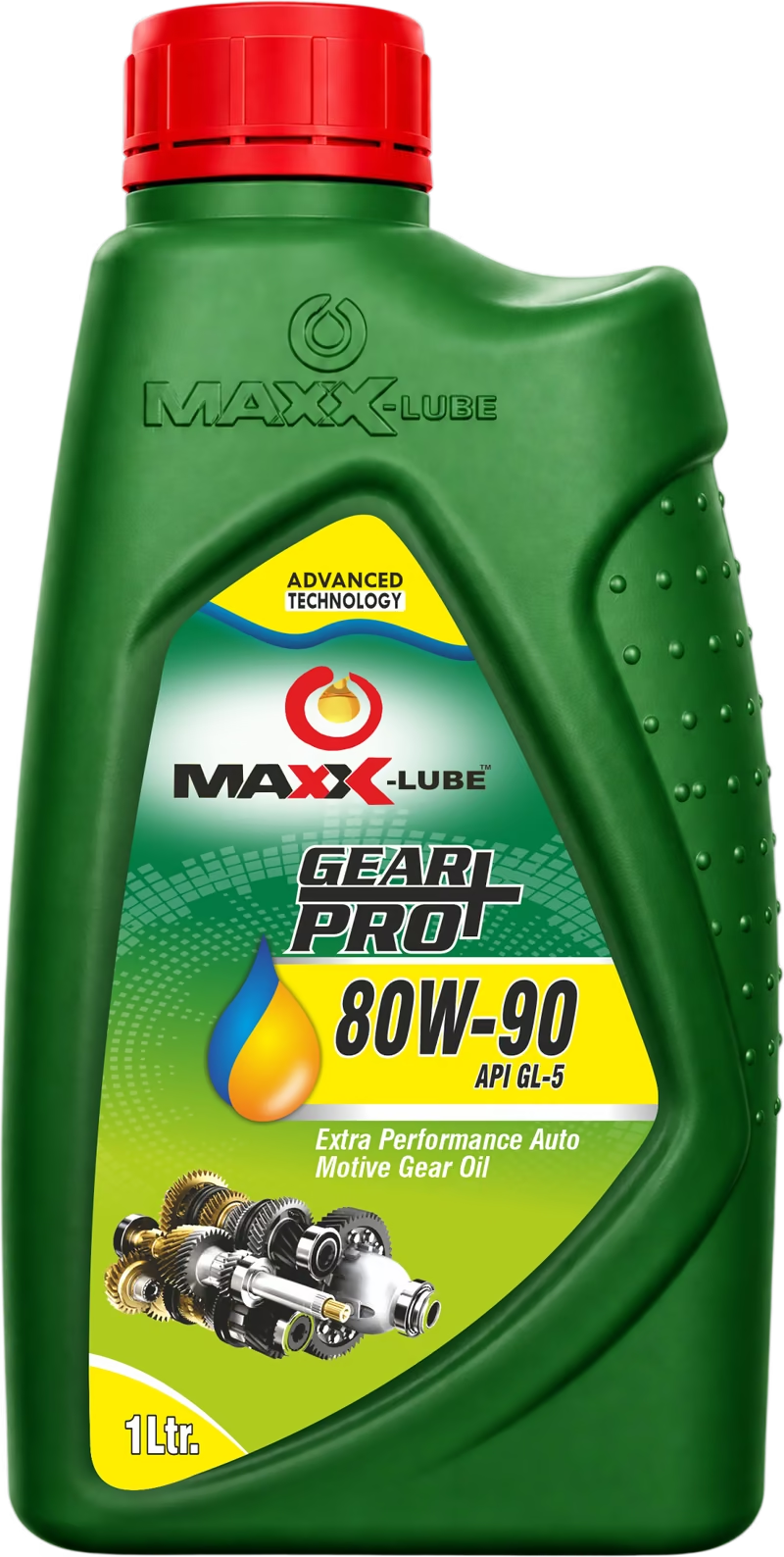
- GEAR PRO+ [80W-90](/products/gear-oils/gear-80w90) and [85W-140](/products/gear-oils/gear-85w140), API GL-5: extreme-pressure protection for differentials, manual transmissions and transfer cases where GL-5 is specified.
- GEAR GUARD [EP-90](/products/gear-oils/gear-ep90) and [EP-140](/products/gear-oils/gear-ep140): EP-90 is rated API GL-4 for manual and heavy-duty gearboxes, and EP-140 is rated API GL-5 for heavily loaded gear systems.