






Your engine tells you before it fails, if you know what to look for
Engines rarely fail without warning. Long before a seized piston or a spun bearing, tired engine oil sends signals: a new noise, a change in how the gears feel, a smell, a light on the dashboard.
Most riders and drivers notice these signals too late, because they do not know what they mean. Here are the seven most important warning signs, what each one tells you, and exactly what to do.
1. The oil level keeps dropping between changes
Every engine uses a little oil, but if you are topping up often, something is wrong. Low oil runs hotter, degrades faster and protects less, because the same work is shared by less oil.
What it means: a leak (look for drips under the vehicle or oily patches on the engine), or oil being burnt inside the engine through worn piston rings or valve stem seals.
What to do: top up with the same grade immediately, then have a mechanic find the cause. Do not keep topping up for months.
2. The oil feels gritty, sludgy or smells burnt
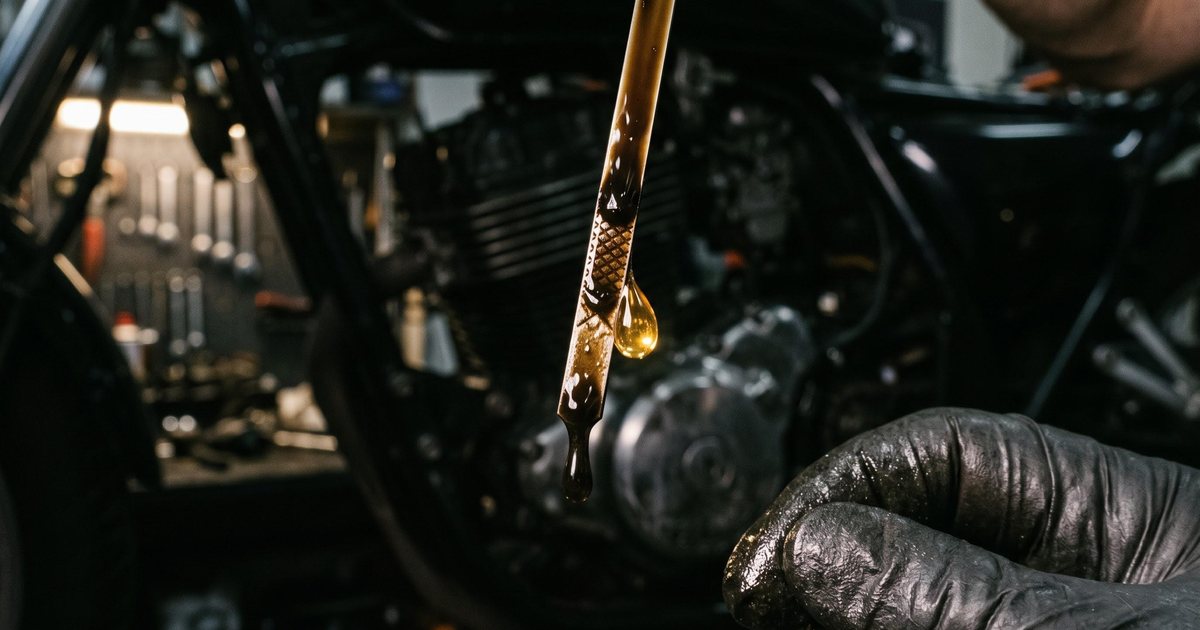
Take a drop from the dipstick and rub it between your thumb and finger. Healthy oil feels smooth and slippery. Degraded oil feels gritty, thick or tar-like, and overheated oil smells burnt.
What it means: dust and metal particles are circulating, or the oil has oxidised into sludge that can block oil passages.
What to do: change the oil and filter now. Heavy sludge may need an engine flush or inspection by a mechanic.
3. The engine sounds louder, ticks or knocks
Oil cushions every moving part. When it thins out, runs low or breaks down, metal parts touch more, and you hear it: a louder engine, a ticking from the valve train at the top of the engine, or in serious cases a deep knocking from the bottom end.
What it means: a light tick often points to low or worn-out oil. Knocking can mean bearing damage already in progress.
What to do: check the level immediately. If a knock does not disappear after correcting the oil, stop riding or driving and get the engine inspected.
4. Gear shifts feel rough, or the clutch slips (bikes)
In most motorcycles, the same oil lubricates the engine, the gearbox and the wet clutch. As the gearbox shears the oil and additives wear out, shifts become notchy and harder, neutral gets difficult to find, and the clutch may start to slip under acceleration.
What it means: the oil is sheared and past its best, or an oil without the right motorcycle friction rating (JASO MA2) was used.
What to do: change to a quality 4-stroke motorcycle oil in the grade your manual specifies. Smooth shifting usually returns within a few kilometres.
5. The oil warning light comes on
Stop the engine as soon as it is safe to do so. On most vehicles the oil light means oil pressure is too low, and running an engine without oil pressure can destroy it within minutes. Check the oil level after a few minutes. If it is low, top up with the correct grade. If the level is fine and the light stays on, do not restart: get the vehicle towed or checked by a mechanic.
6. Blue smoke from the exhaust or a burning oil smell
Exhaust smoke colour is a useful clue:
| Smoke colour | What it usually means |
|---|---|
| Blue or blue-grey | Engine oil is burning inside the engine (worn rings, valve seals or an overfilled engine) |
| Black | Too much fuel burning, often an air filter, injector or carburettor issue, not oil |
| Thick white with a sweet smell (cars) | Coolant is burning, a possible head gasket problem |
| Thin white vapour on cold mornings | Normal condensation that disappears once warm |
A burning oil smell without smoke usually means oil is leaking onto a hot exhaust or engine part. Both blue smoke and burning smells need a mechanic’s attention, because leaking oil near hot parts is also a fire risk.
7. The oil looks milky or foamy
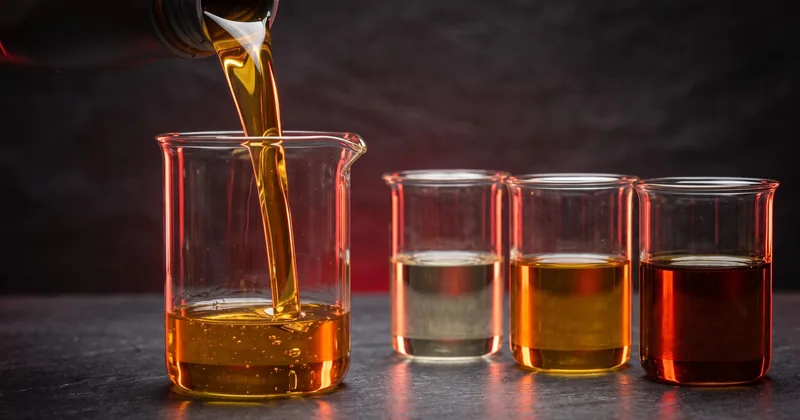
Oil should look clear amber when new and darken gradually in use. A milky, light-brown, milkshake-like appearance on the dipstick means water or coolant has mixed into the oil.
What it means: in cars and liquid-cooled engines, coolant may be leaking into the oil (for example through a failed head gasket). In any engine, water can also enter through a flooded road or river crossing. A thin creamy film under the oil filler cap of a vehicle used only for short monsoon or winter trips is usually condensation.
What to do: if the milky colour is throughout the oil, do not keep running the engine. Get it checked and change the oil. If it is only condensation under the cap, a longer ride to fully warm the engine and a timely oil change will clear it.
Quick reference: how urgent is each sign?
| Warning sign | Urgency |
|---|---|
| Oil warning light on | Stop now |
| Knocking from the engine | Stop now and inspect |
| Milky oil throughout | Stop and check before further use |
| Blue smoke or burning smell | Mechanic check soon |
| Level keeps dropping | Top up now, find the cause soon |
| Gritty, sludgy or burnt-smelling oil | Change oil now |
| Ticking or rough gear shifts | Check level, change oil soon |
Is black engine oil always bad?
No. Modern engine oils contain detergents and dispersants that clean the engine and hold soot and dirt in suspension, so they darken with use. That is the oil doing its job. Diesel engine oil can turn black within hours of an oil change.
So do not judge by colour alone. The real warnings are grit, sludge, a burnt smell, a milky look, a falling level, and reaching your manual’s kilometre or time limit.
How to check your engine oil yourself
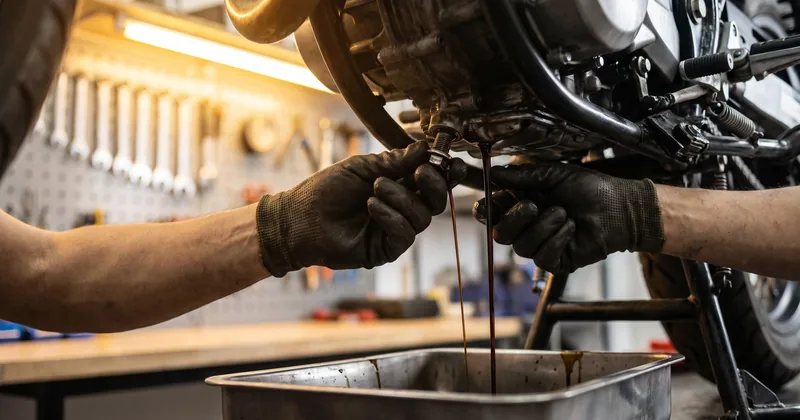
- Park on level ground. Put a motorcycle on its centre stand or hold it upright.
- Warm the engine briefly, switch off and wait 2–3 minutes for oil to drain back into the sump.
- Read the level: on a bike, look at the sight glass or use the dipstick as the manual describes; on a car, pull the dipstick, wipe it, reinsert fully and pull it out again.
- Check condition: look at the colour, rub a drop between your fingers, and smell it.
- Top up if needed with the same grade and specification, staying below the MAX mark.
Prevention is cheaper than repair
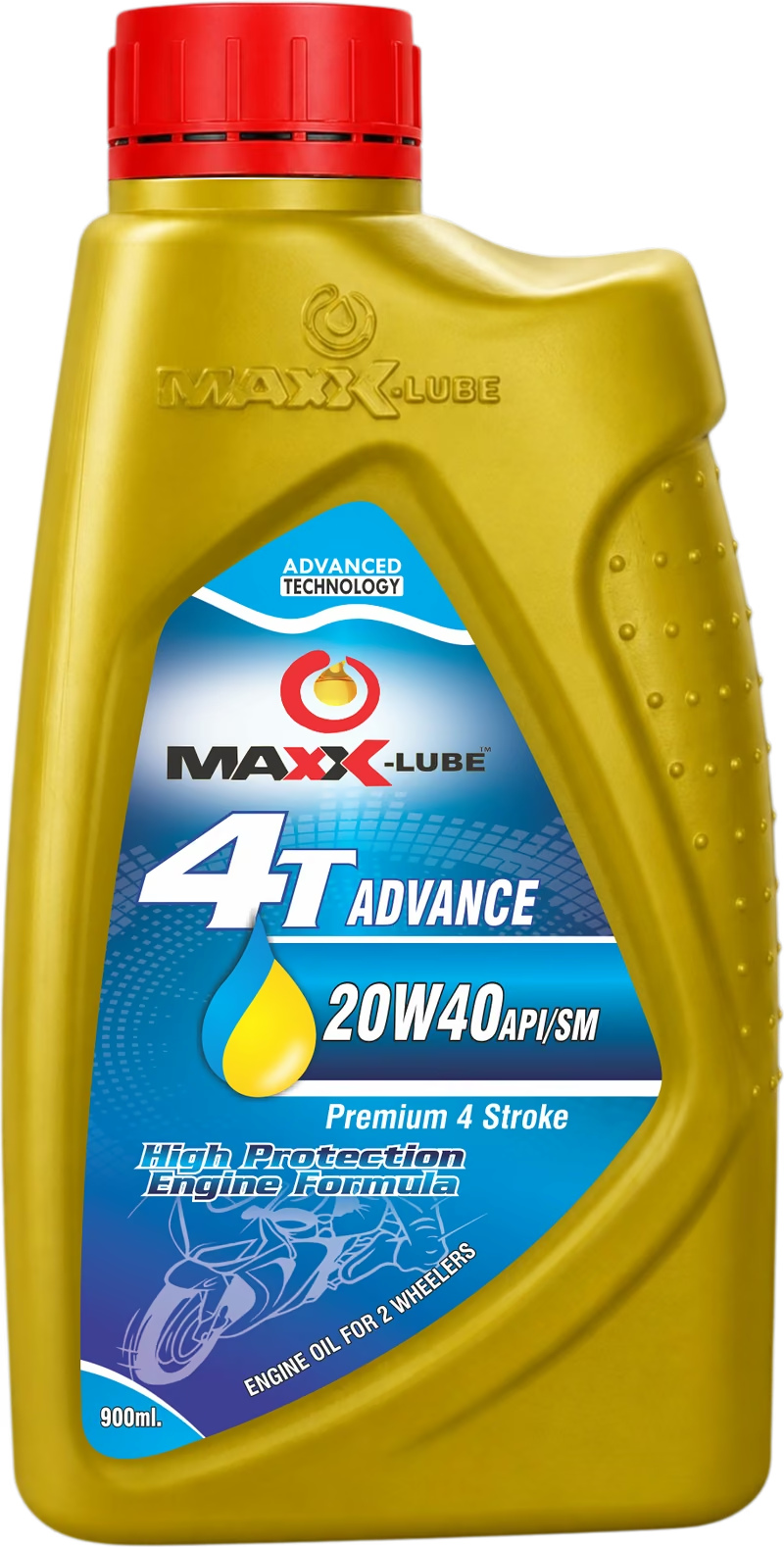
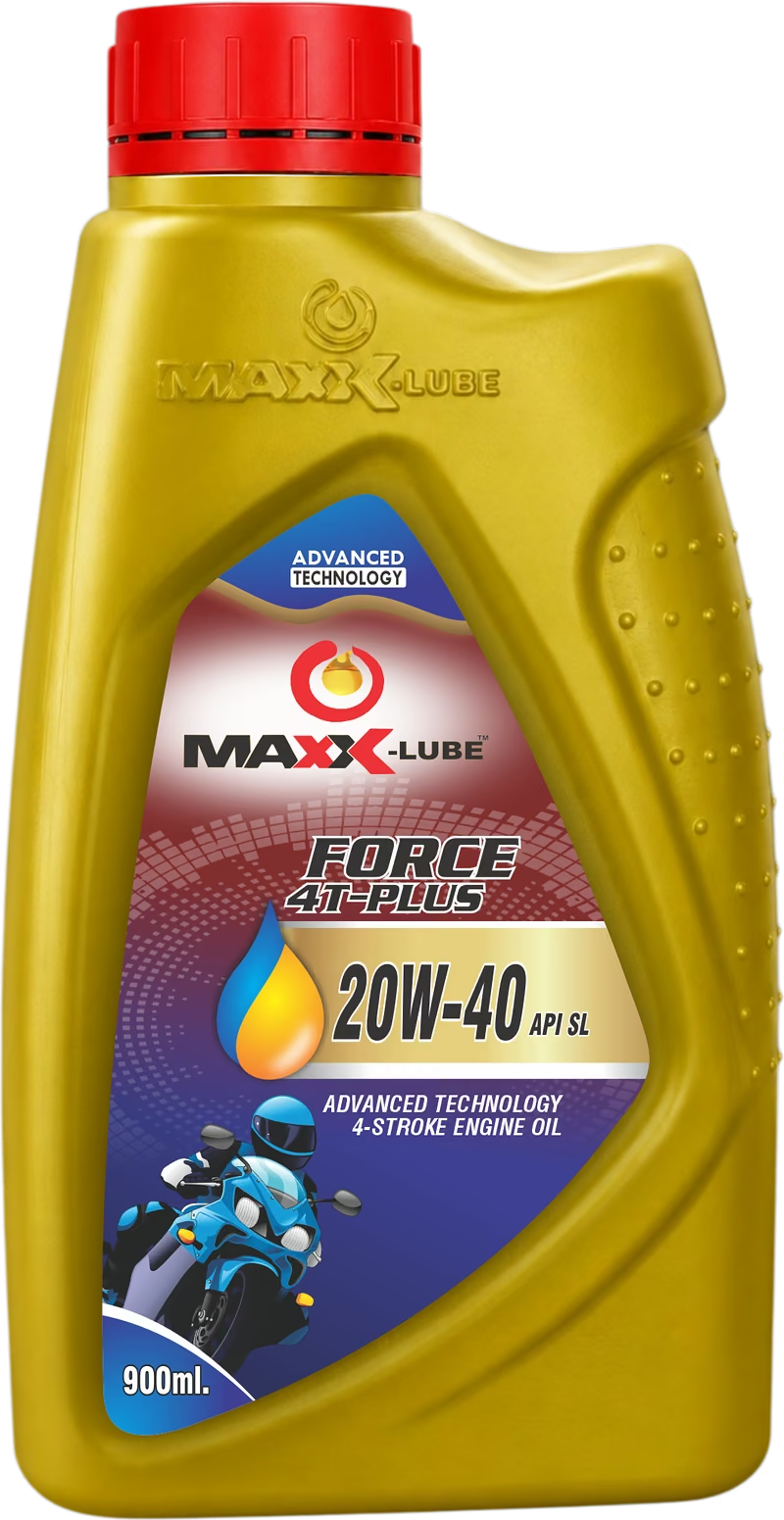
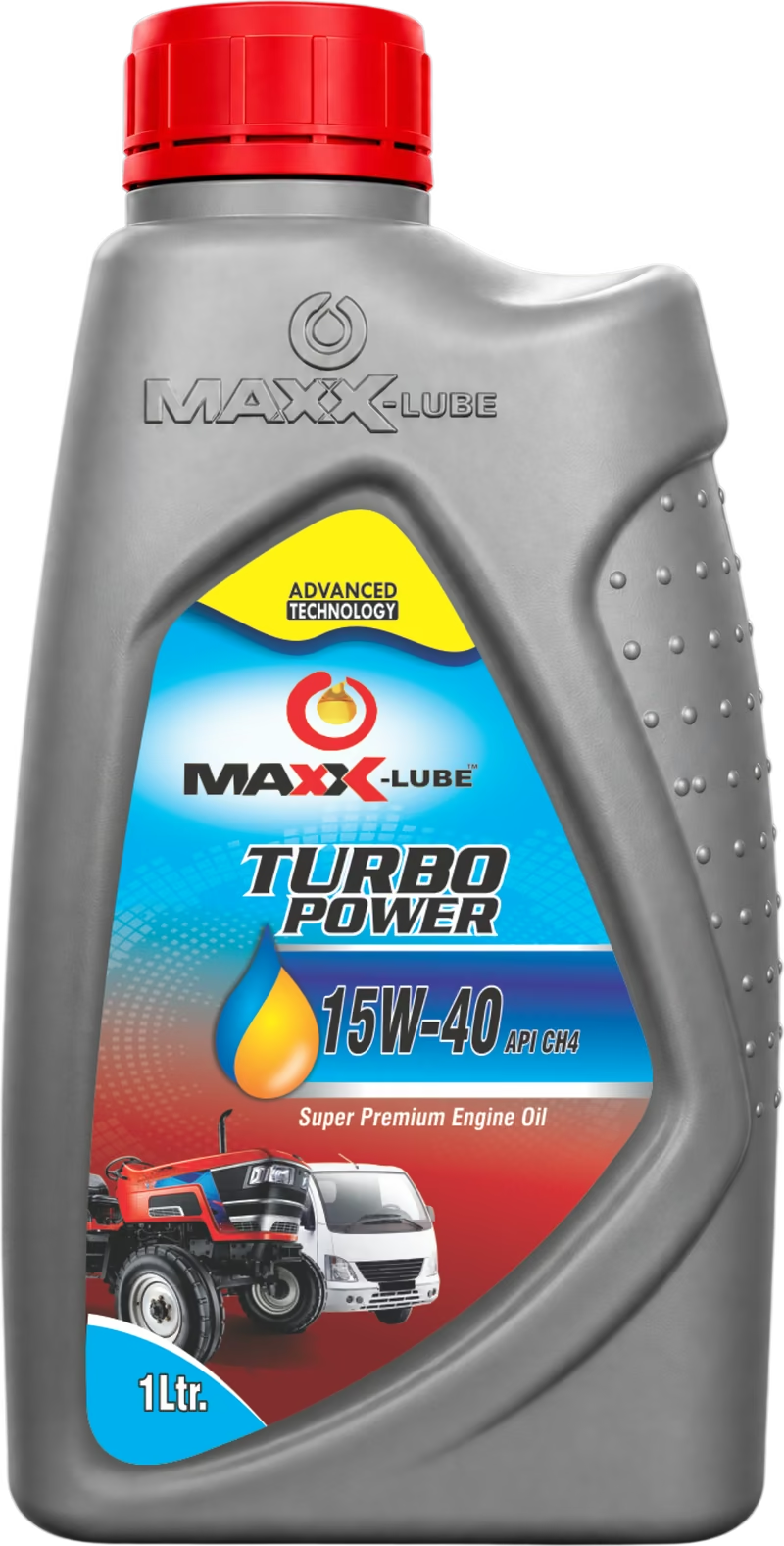
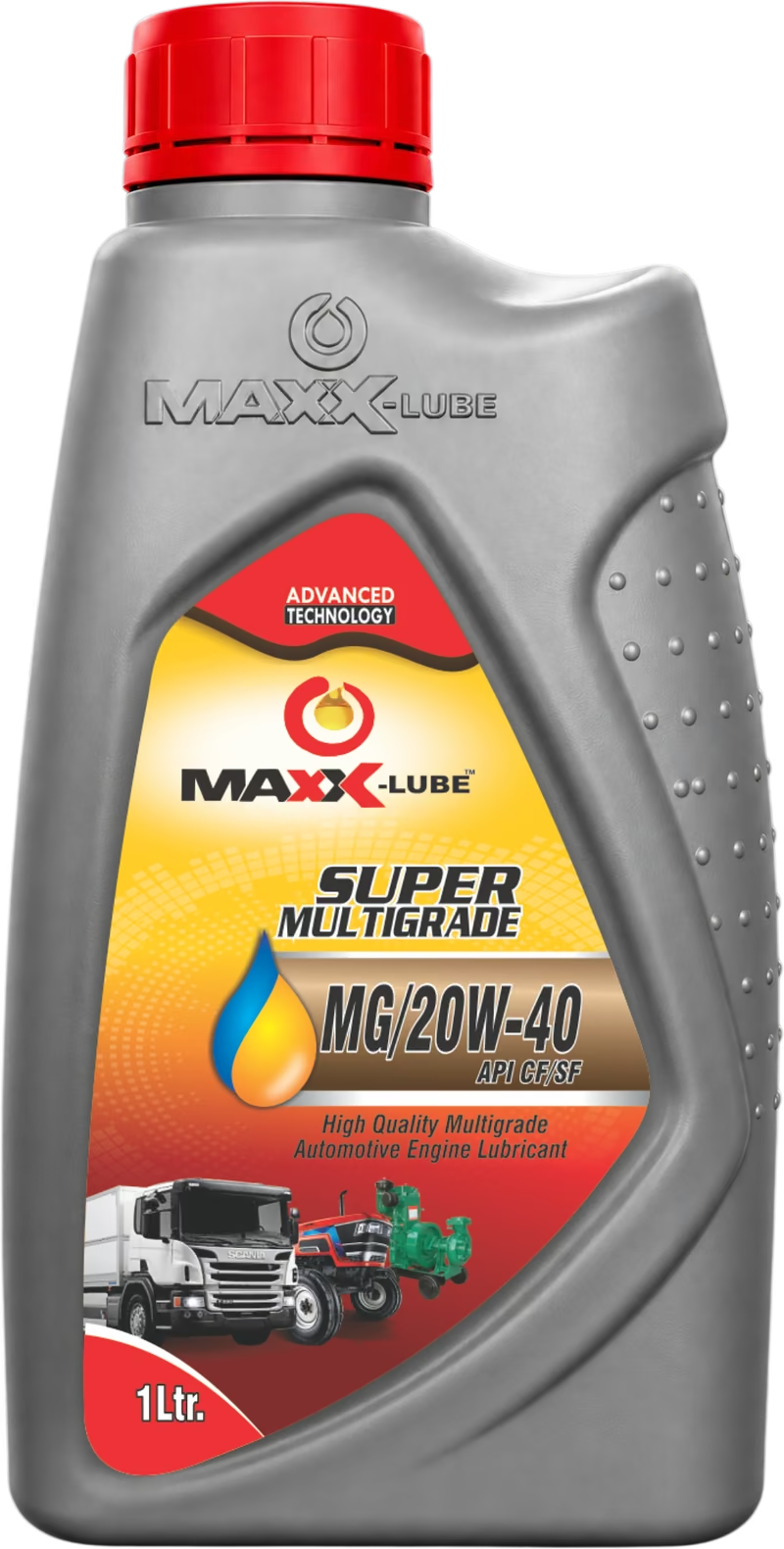
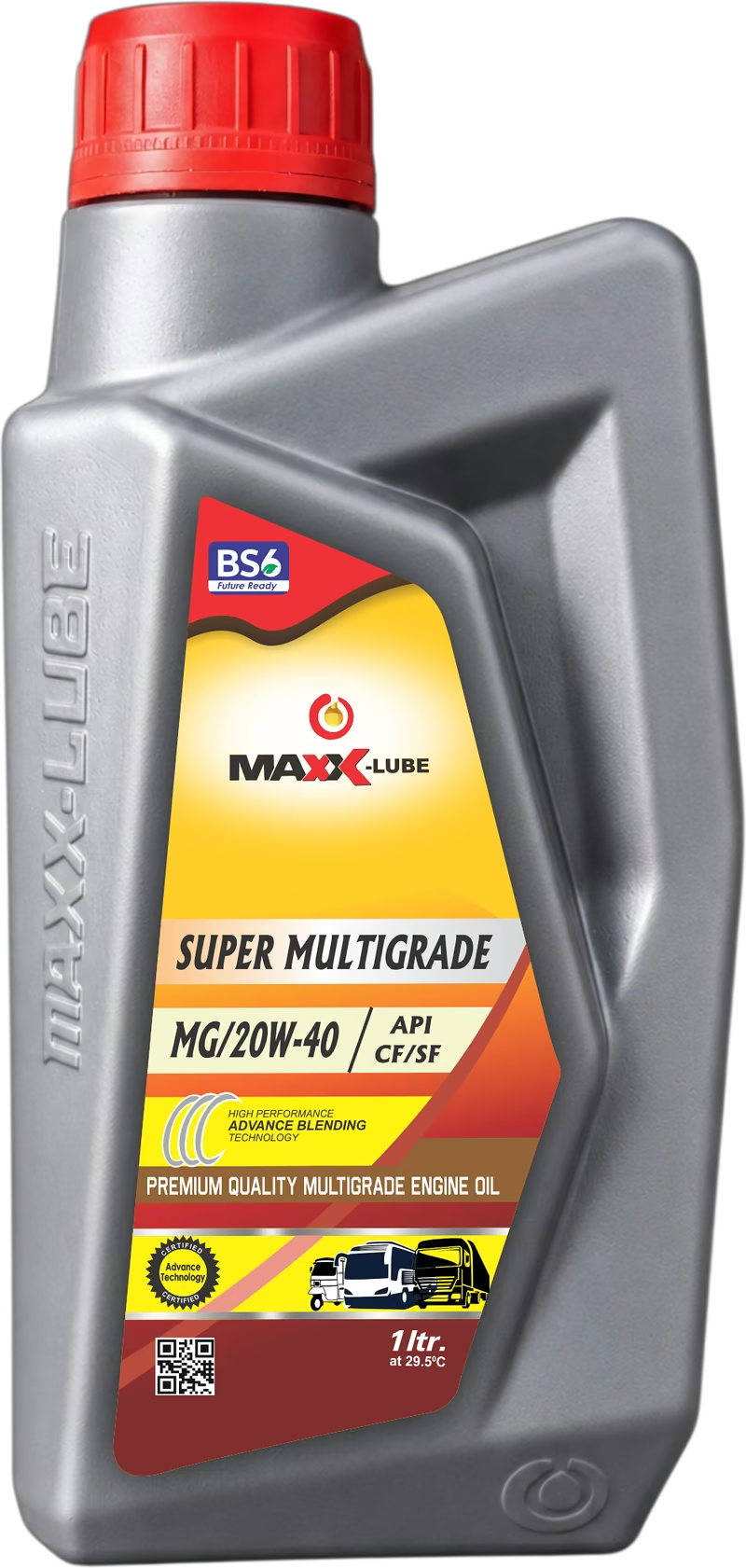
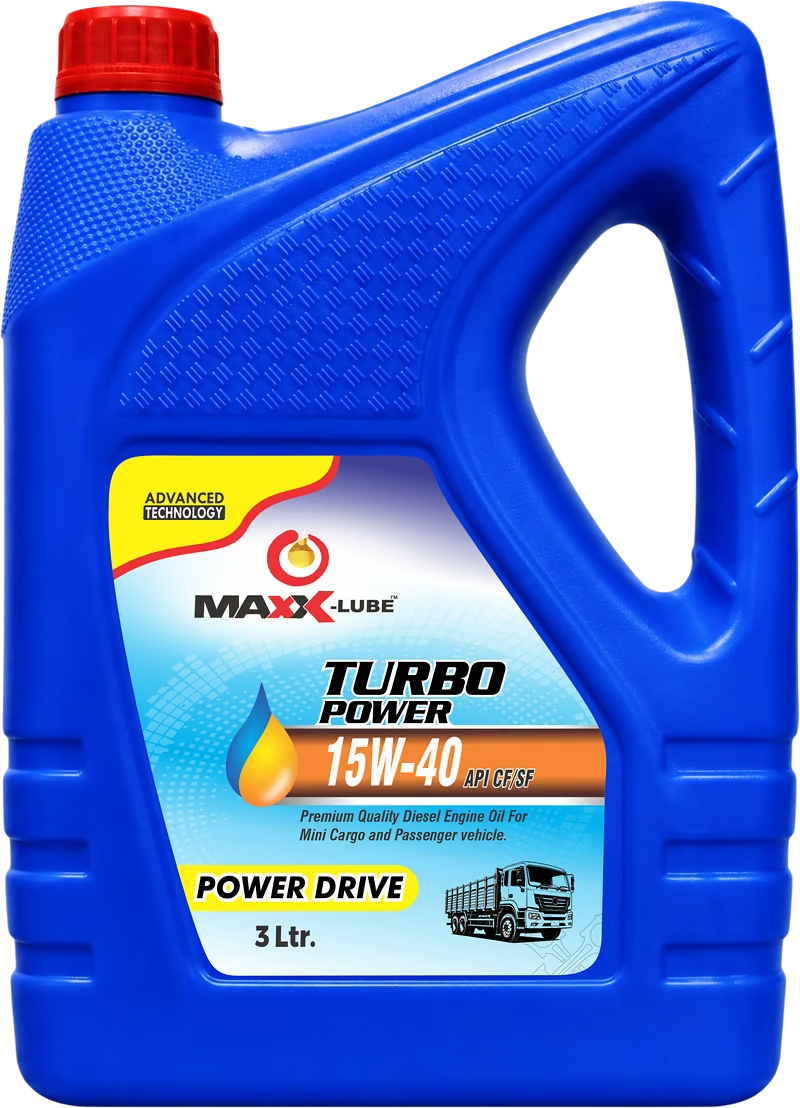
Most of these warning signs never appear when a quality oil is changed on time. MAXX-LUBE engine oils are formulated for Indian heat, dust and stop-go traffic, from everyday commuter oils to fully synthetic POWER SPEED+ for riders who want maximum protection.
Find the right oil for your vehicle with the Product Finder, or read our guides to engine oil grades and oil change intervals.