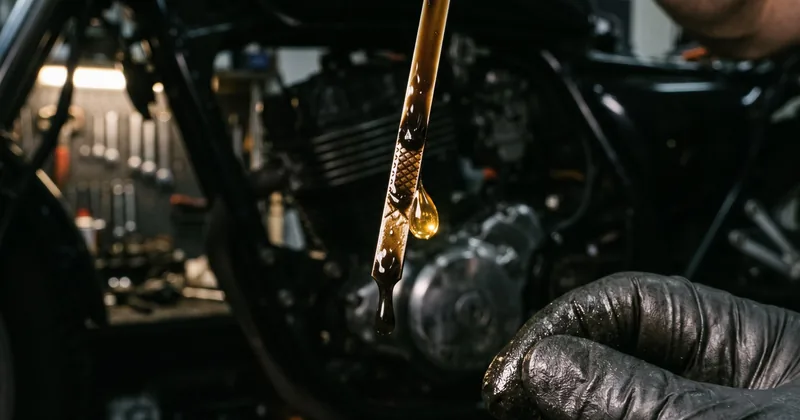







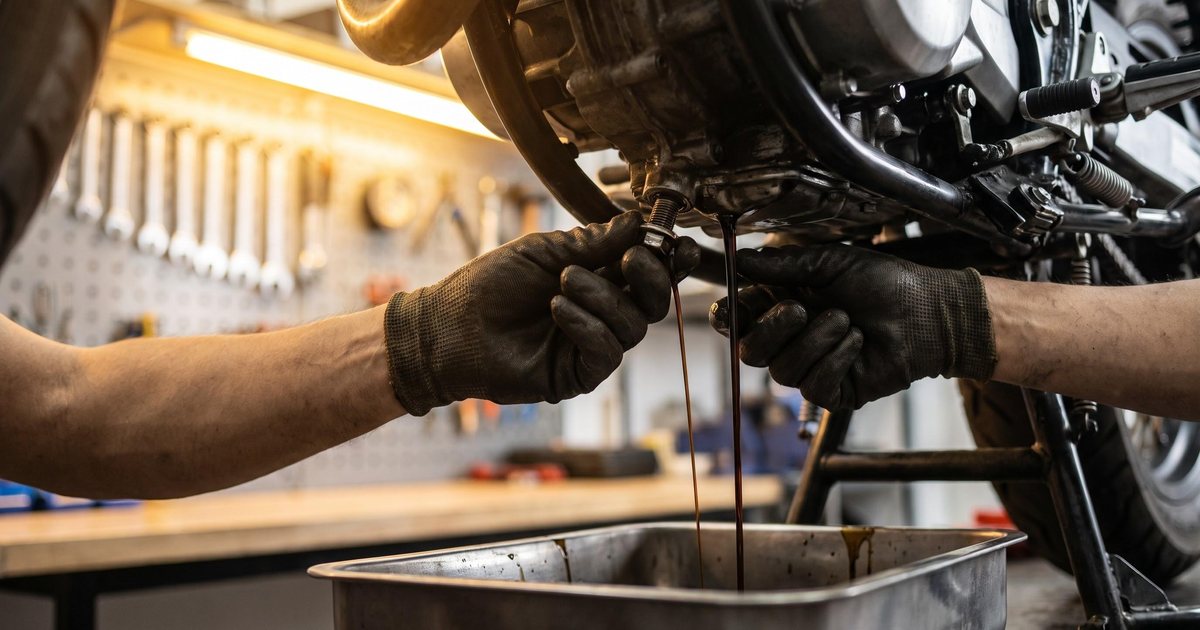
The most expensive oil change is the one you skip
An oil change costs a few hundred rupees. A seized engine, worn camshaft or damaged crankshaft bearing costs many times that, and usually arrives without warning. Yet “When should I change my oil?” gets a different answer from every friend, forum and petrol pump.
This guide cuts through the confusion with how engine oil actually wears out, what your owner’s manual really means, and practical intervals for Indian riding.
Why engine oil wears out
Fresh engine oil is base oil plus a carefully balanced additive package. In service, four things slowly break it down:
- Heat and oxidation: high temperatures react oil with oxygen, thickening it and forming sludge and varnish.
- Additive depletion: detergents, dispersants and anti-wear additives get used up protecting the engine.
- Contamination: dust, soot, unburnt fuel, metal particles and moisture collect in the oil.
- Shear: in most motorcycles the same oil lubricates the gearbox, whose gear teeth mechanically shear the oil and thin it over time.
Kilometres or months: why both limits matter
Owner’s manuals give oil change intervals as a distance and a time, such as “every X km or Y months, whichever comes first”. The time limit exists because oil ages even when you do not ride: moisture condenses inside the engine, especially through the monsoon and cold mornings, and oil keeps oxidising in storage.
If you ride only a few hundred kilometres a month, the time limit will usually come first. Do not wait for the kilometre reading while the calendar has already run out.
Does your riding count as “severe service”?
Many manuals print two schedules: normal and severe. In India, most everyday use falls under severe, even if it does not feel extreme. Use the shorter interval if any of these apply:
- Stop-go city traffic with long idling, as in Delhi, Mumbai, Bengaluru, Chennai and Kolkata.
- Very hot weather, with regular 40°C+ days as in Rajasthan, Gujarat, Telangana or central India.
- Dusty or unpaved roads, construction zones and rural routes.
- Short trips under about 5 km where the engine never reaches full temperature.
- Heavy loads: pillion riders, luggage, towing, goods carriers.
- Commercial use: delivery, taxi, ride-hailing and fleet vehicles.
- Long idling hours in tractors, gensets and construction equipment.
Oil change intervals by vehicle type (practical guide)
These are common, conservative practices in Indian workshops. Your owner’s manual always comes first. If it gives a shorter interval, follow the manual.
| Vehicle | Typical practice | Change earlier if |
|---|---|---|
| Commuter bike, mineral oil | Every 2,000–3,000 km | Heavy traffic, heat, dust, delivery use |
| Commuter bike, semi-synthetic or synthetic | Longer than mineral, within the manual’s limit | Oil level drops, gear shifts feel rough |
| Scooter | As per manual, by km or months | Short trips, monsoon, low monthly use |
| Petrol or diesel car | Many manuals: about 10,000 km or 12 months | City-only driving, towing, dusty roads |
| CNG or LPG three-wheeler | As per manual; gas engines run hot | Long daily hours in traffic |
| Tractor | By engine hours on the hour meter, as per manual | Dusty fieldwork, heavy implements, long idling |
| Truck or bus | As per OEM schedule and oil specification | Overloading, hilly routes, long idling |
Always change the oil filter (or clean the strainer on bikes that have one) on the schedule in your manual. New oil through an old, clogged filter loses much of its benefit.
Oil change myths vs reality
- Myth: “Change the oil when it turns black.” Reality: detergent oils are designed to hold soot and dirt in suspension, so diesel engine oil darkens within hours. Colour alone tells you little: go by kilometres, months and how the oil feels.
- Myth: “Synthetic oil never needs changing.” Reality: synthetic oil lasts longer, but additives still deplete and contaminants still build up.
- Myth: “Topping up is as good as changing.” Reality: topping up restores the level, not the additives. Dirty, degraded oil stays in the engine.
- Myth: “The first service of a new bike is optional.” Reality: during running-in, fine metal particles wear off new parts. The first oil change removes them, so never skip it.
- Myth: “Changing too often wastes money.” Reality: changing a little early costs very little; changing late can cost an engine.
How to check your engine oil in 2 minutes
A quick check every couple of weeks catches most problems early:
- Park level: motorcycles on the centre stand (or held upright), cars on flat ground.
- Warm, then wait: ride or run the engine briefly, switch off and wait 2–3 minutes for oil to settle.
- Read the dipstick or sight glass: wipe the dipstick, reinsert it as the manual describes, and check the level sits between the MIN and MAX marks.
- Look and feel: rub a drop between your fingers. Grit, sludge, a burnt smell or a milky colour mean it is time for a change or a mechanic’s check.
- Top up correctly: use the same grade and specification, and do not overfill beyond MAX.
Planning a long ride or monsoon season? Change first
If your oil is more than halfway to its next change, change it before a long highway trip, a Ladakh or Spiti ride, or the start of the monsoon. Fresh oil handles sustained heat, altitude and moisture far better than tired oil.
Make every oil change count
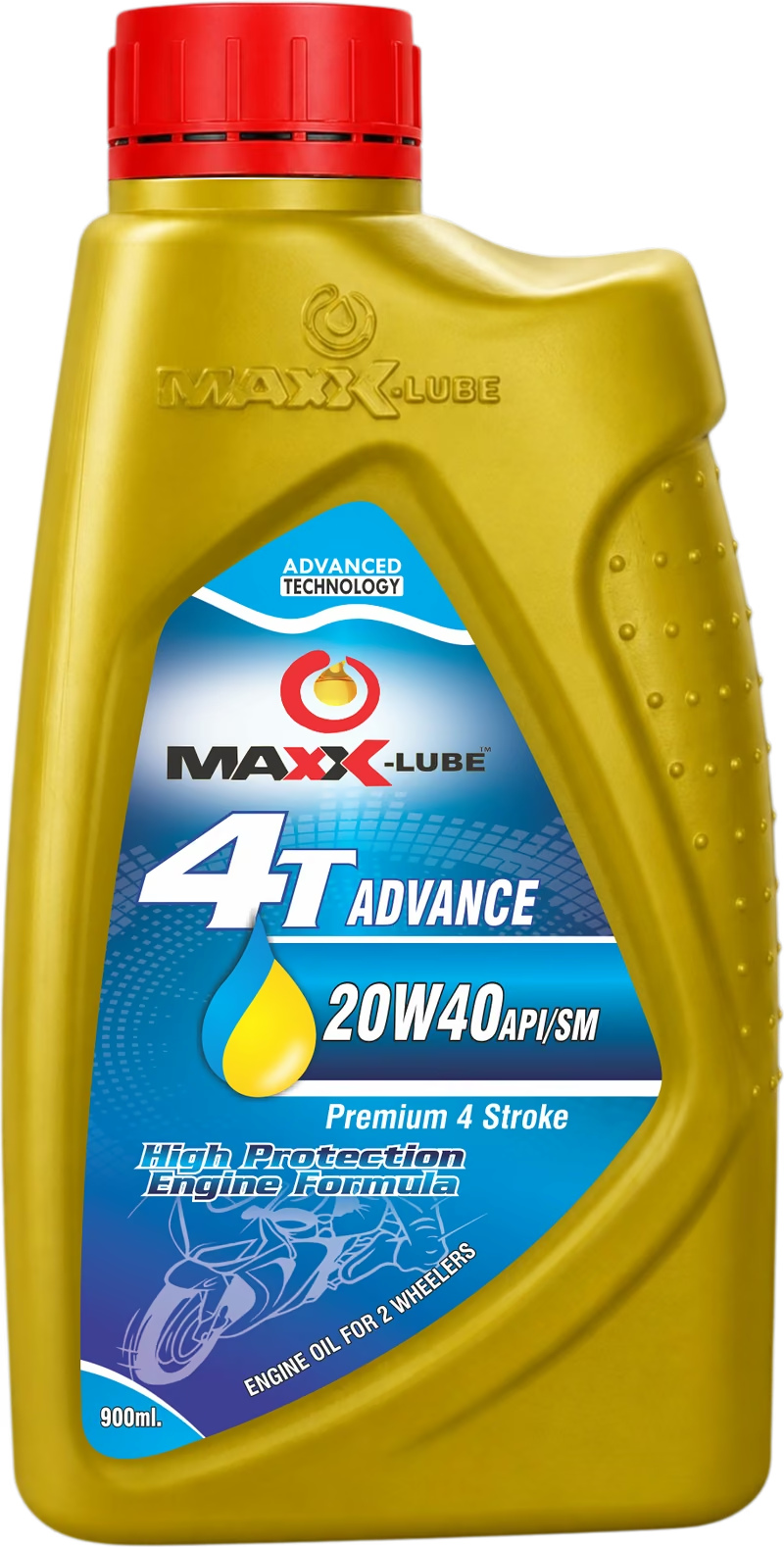
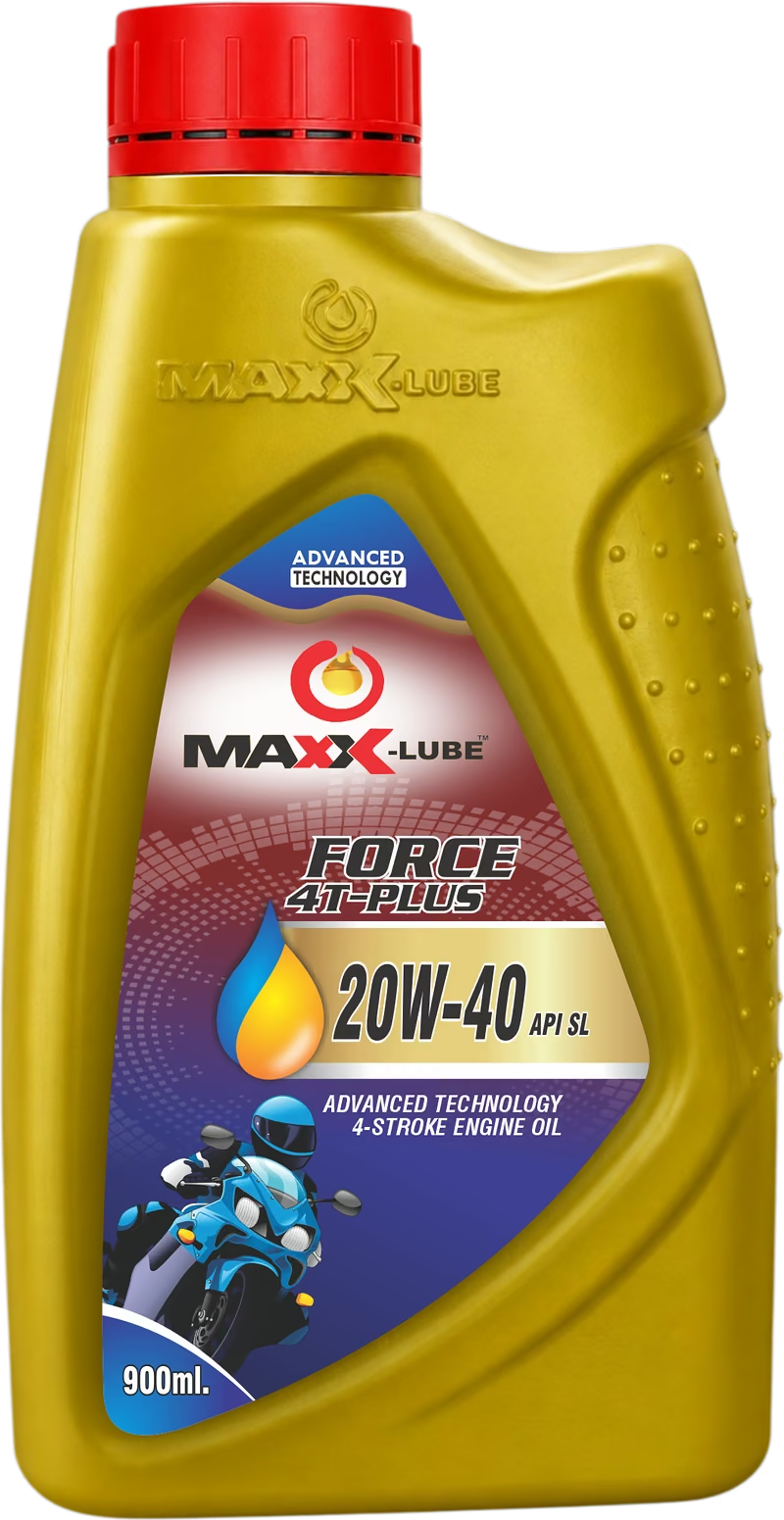
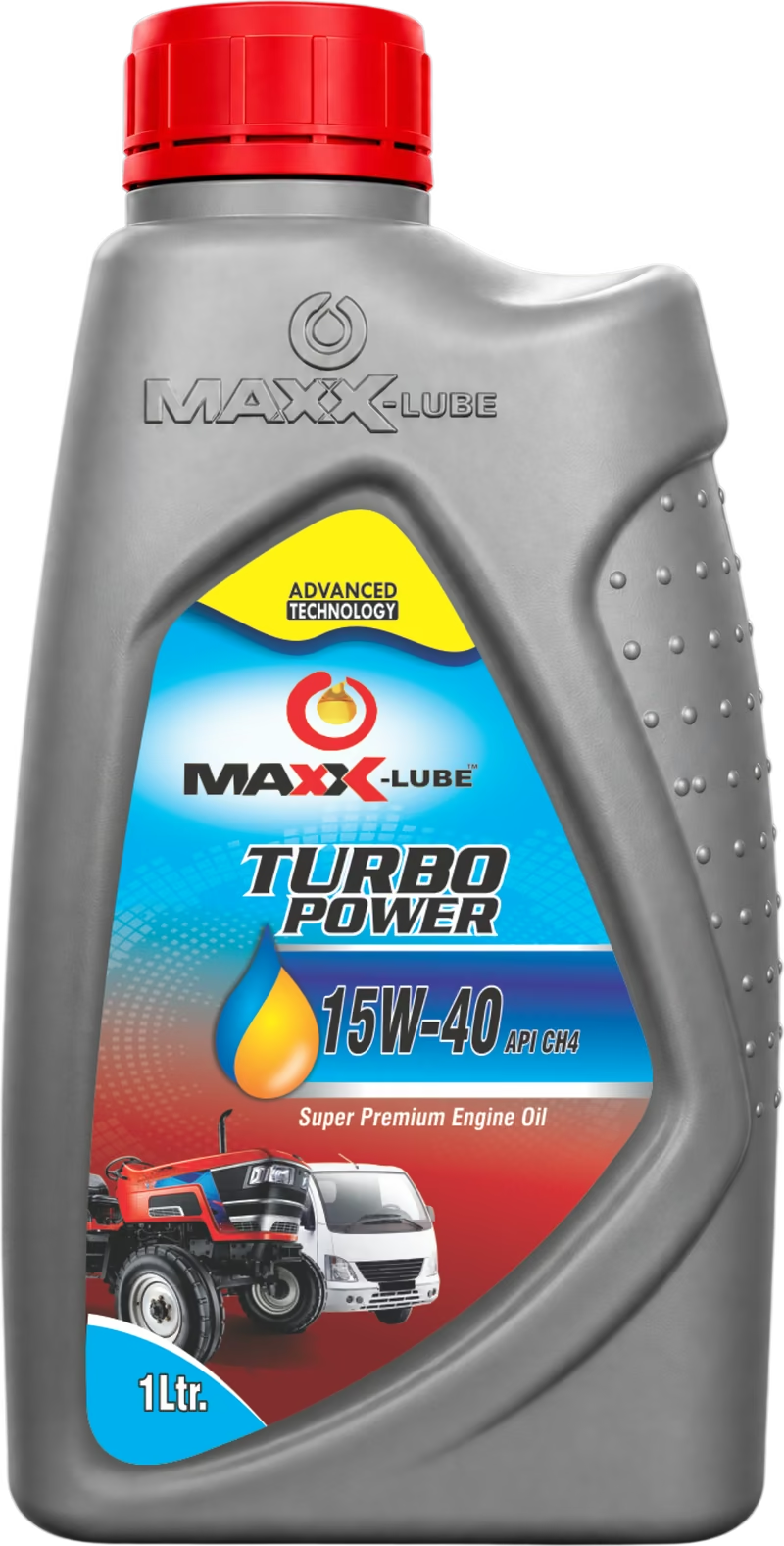
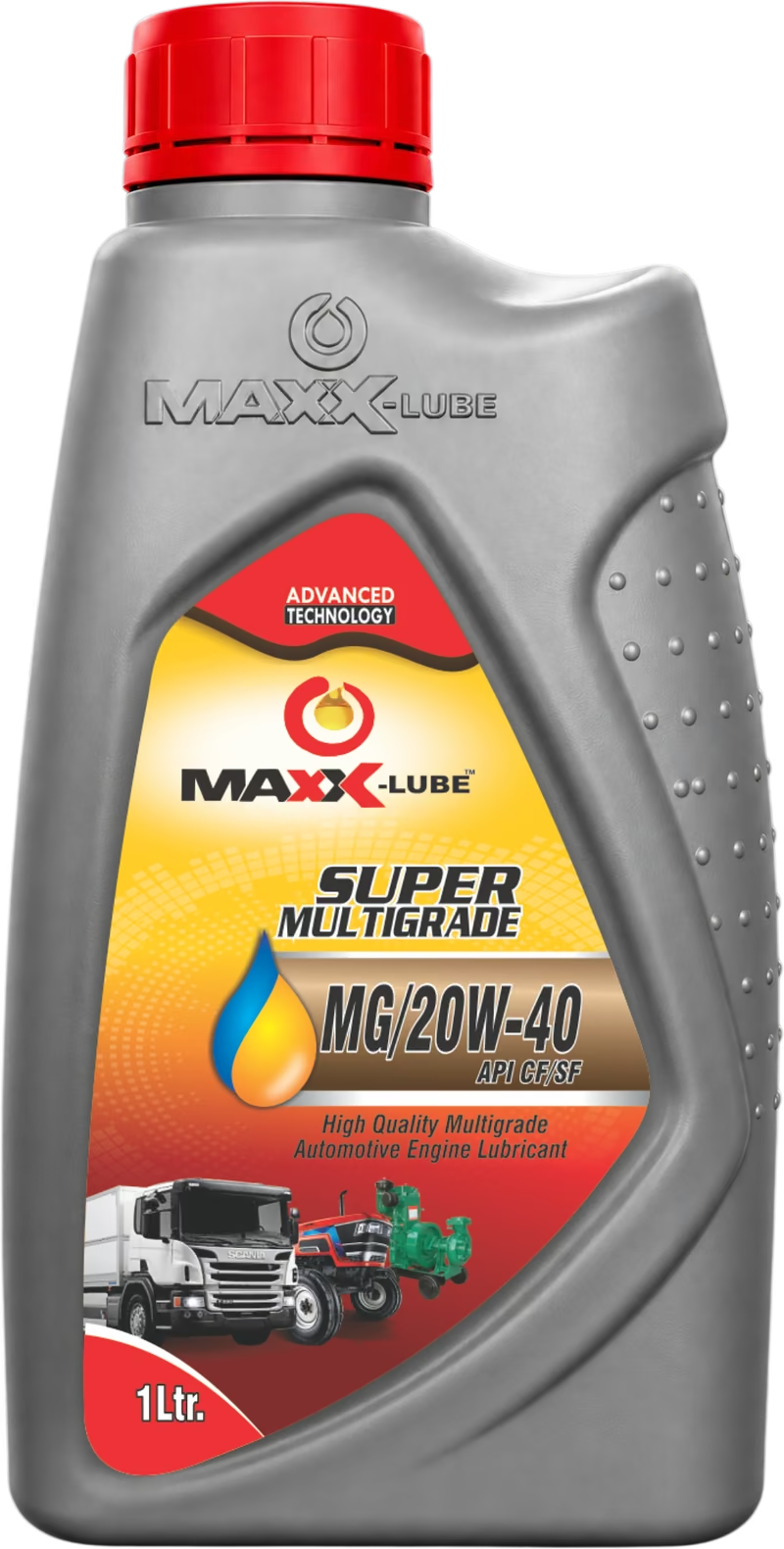
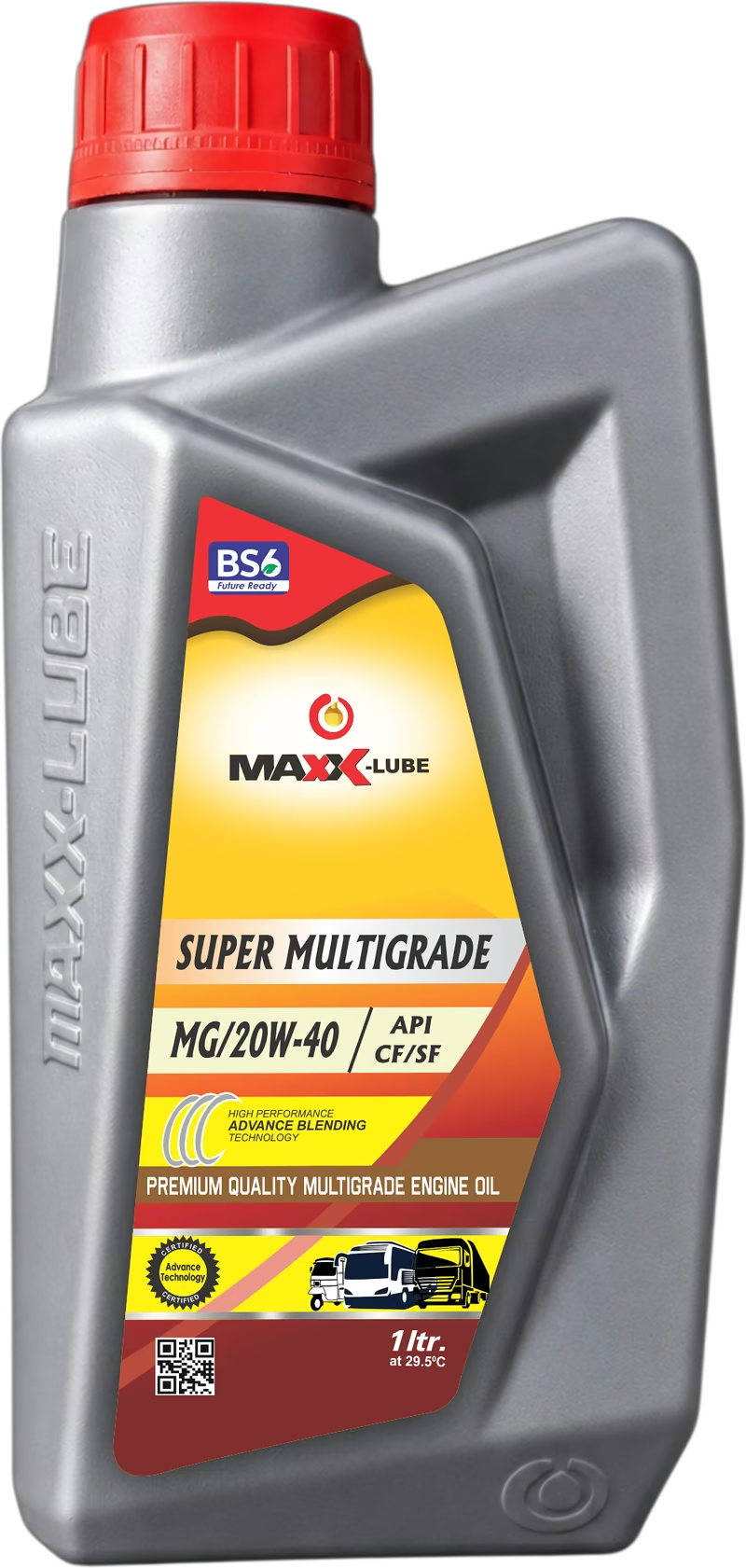
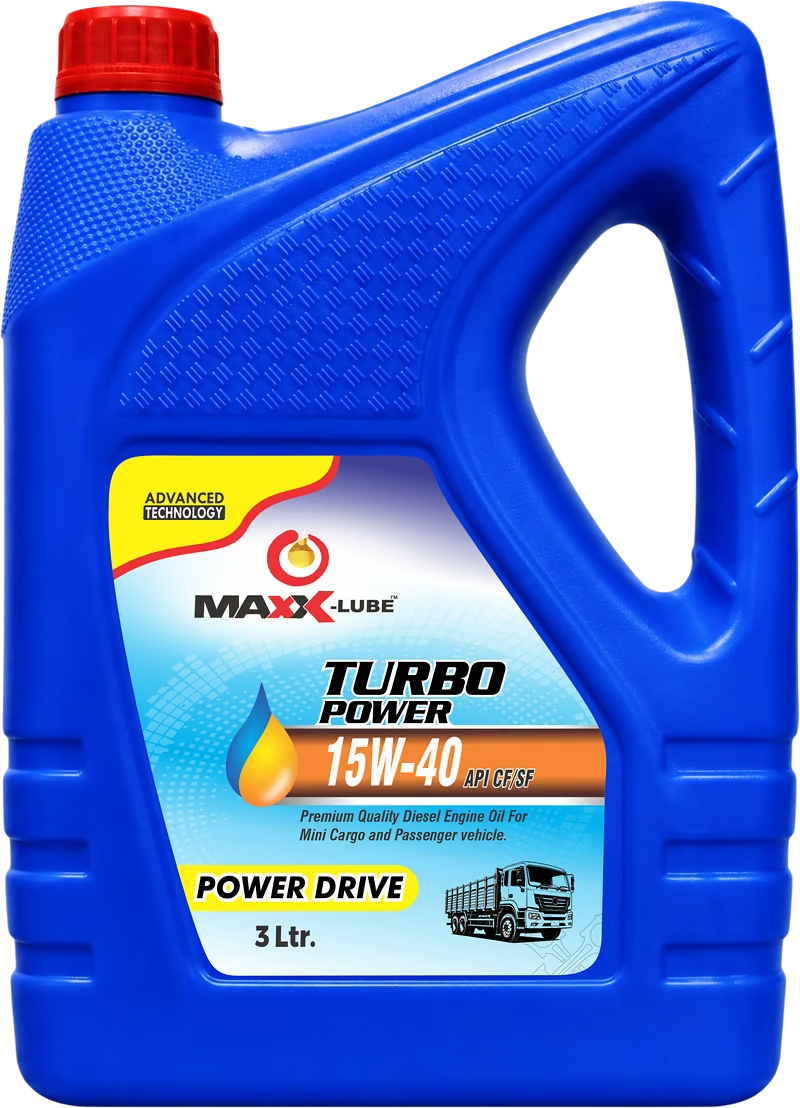
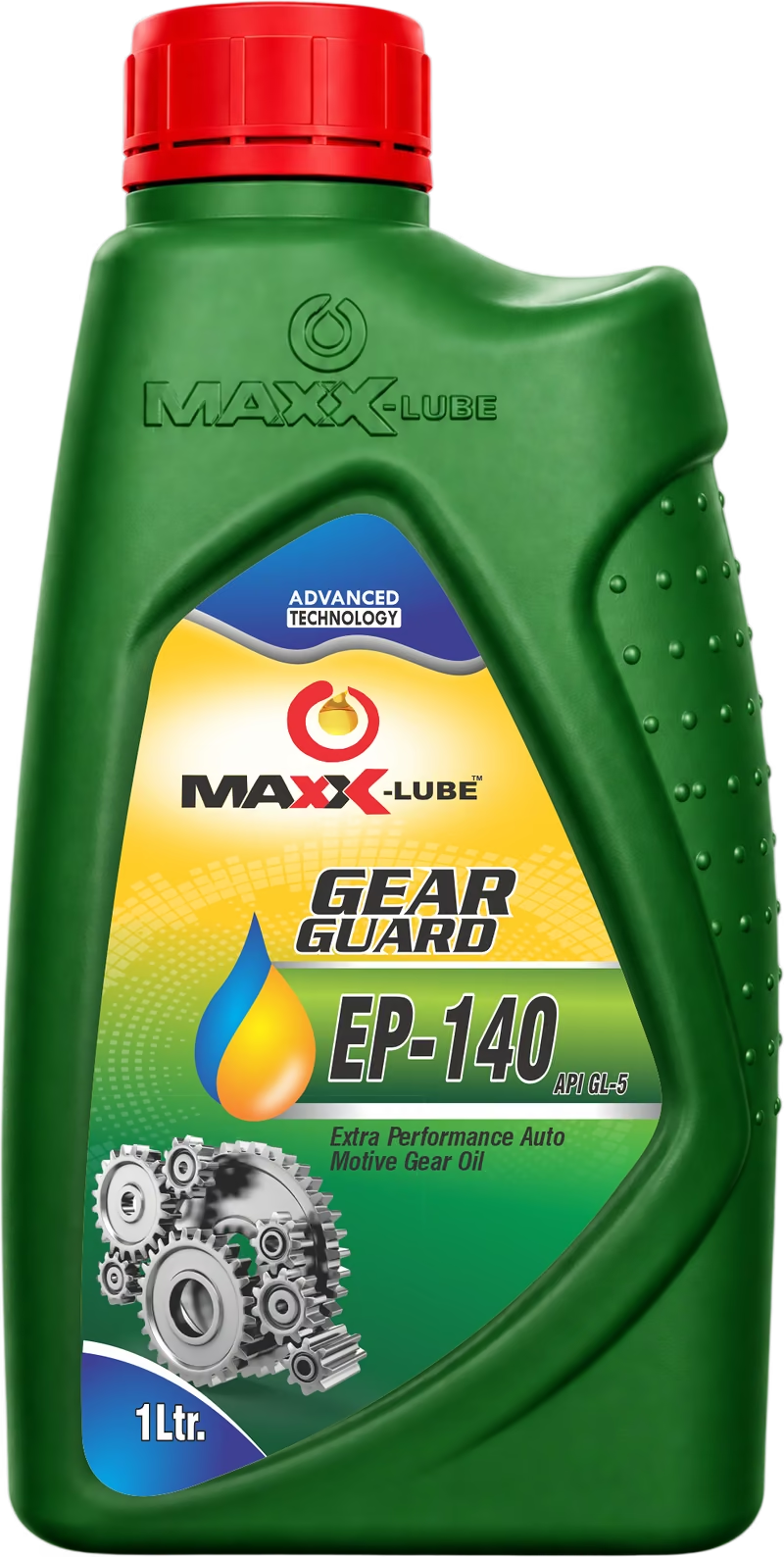
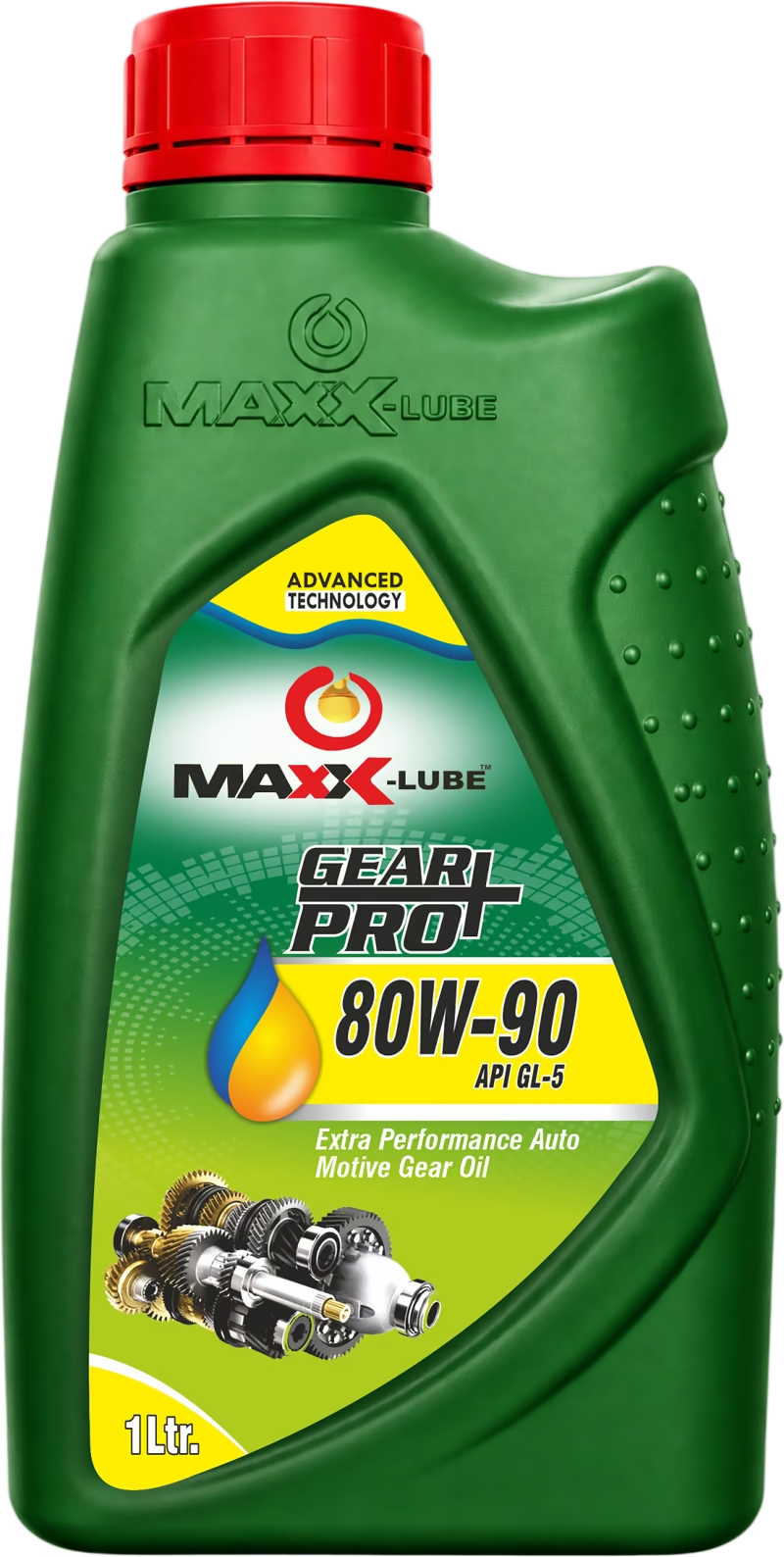
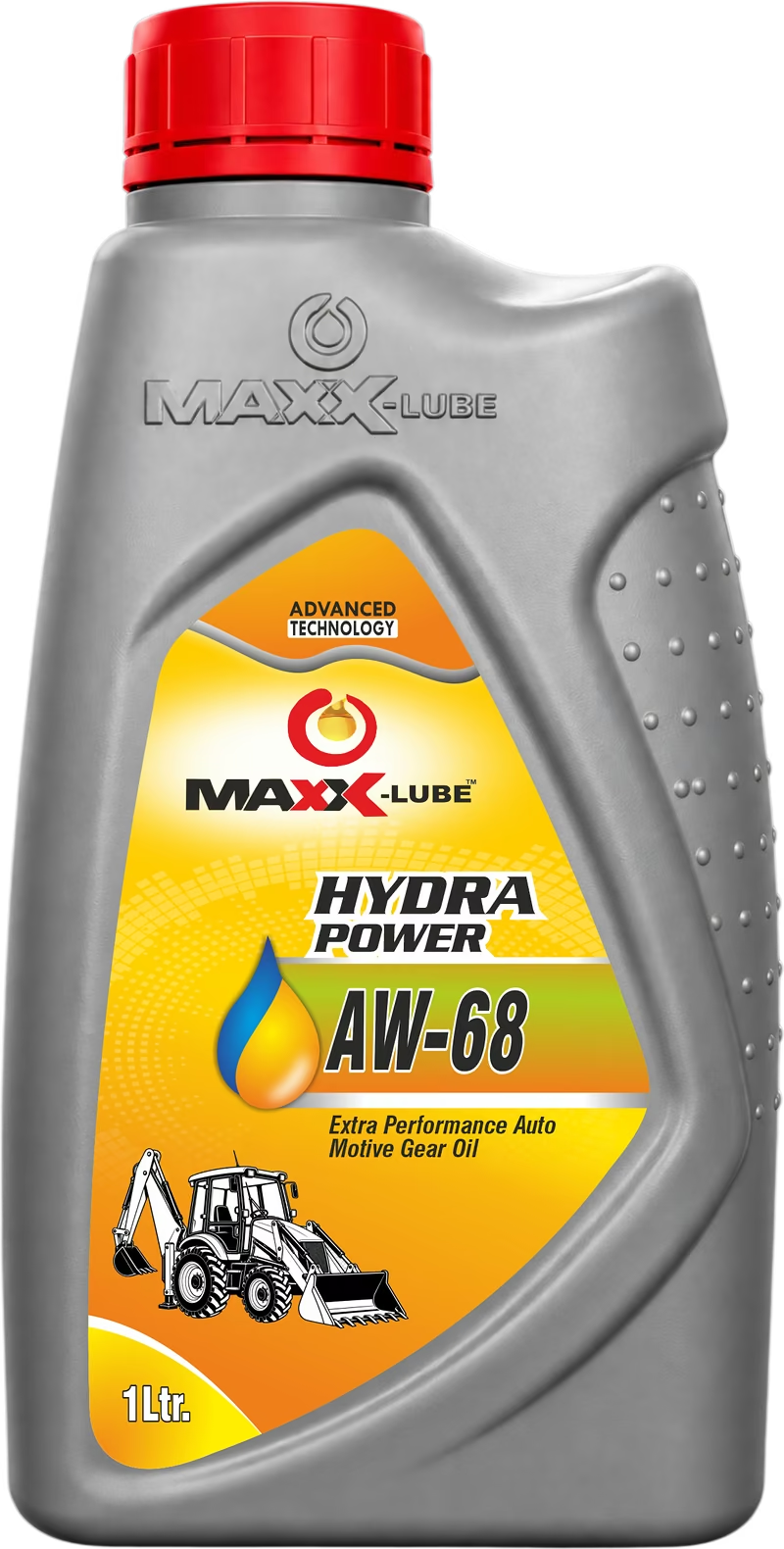
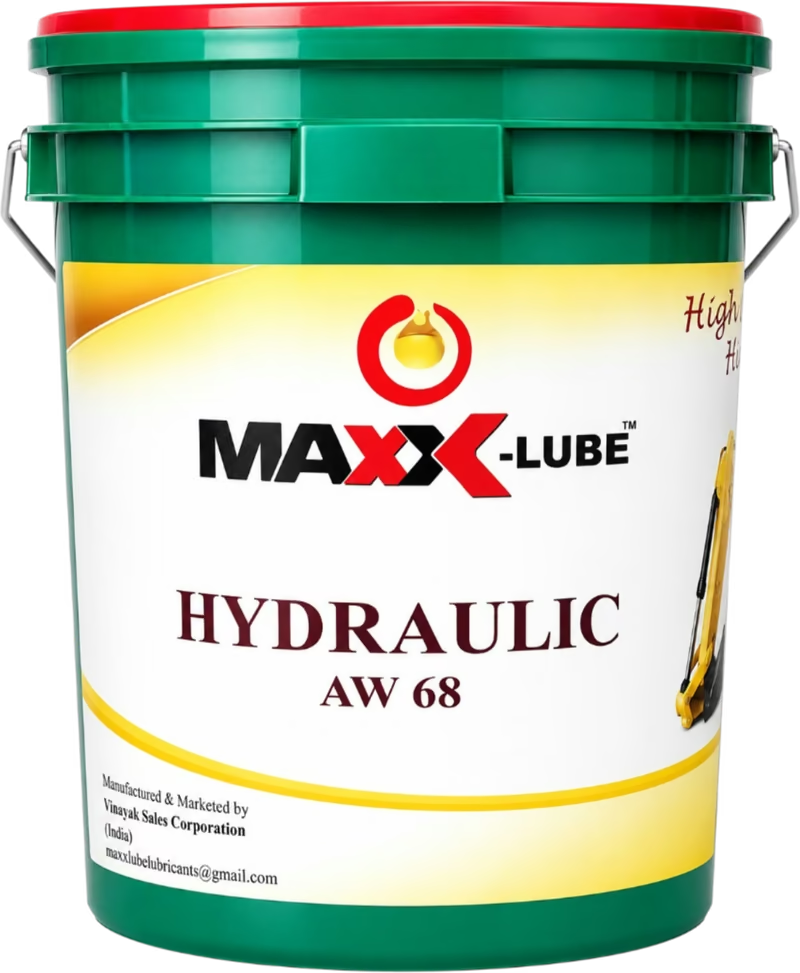
An oil change is only as good as the oil you put in. MAXX-LUBE engine oils are built for Indian heat, dust and traffic, with packs for every need: 900 ml bottles for riders, and 50, 55 and 210 litre packs for workshops and fleets that change oil every day.
Find your oil in the bike engine oil range, the car and SUV range or the heavy-duty diesel range. Mechanics and workshops can also enquire about bulk supply through our distributor network.